Introduction
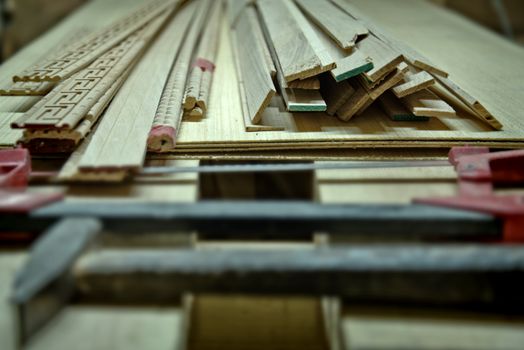
Building furniture from salvaged wood is not only eco-friendly but also allows you to create unique pieces that tell a story. In this article, we will guide you through the process of creating a modern nightstand using advanced woodworking techniques. We will focus on precision joinery that ensures durability and a professional finish that enhances the aesthetics of your piece.
Gathering Your Materials
Before you begin, it is important to source high-quality salvaged wood. Look for wood with minimal damage and interesting grain patterns. Common types of salvaged wood include:
- Oak: Durable and has a beautiful grain.
- Pine: Light and easy to work with, but can be softer.
- Maple: Hard and resistant to scratches, with a fine grain.
Once you have your wood, make sure to inspect it for pests, warping, or significant knots that could affect your project.
Tools You Will Need
Having the right tools is essential for precision work. Here’s a list of tools you’ll need:
- Table saw
- Router with a straight bit
- Pocket hole jig
- Drill and drill bits
- Sander (orbital and hand sander)
- Clamps
- Wood glue
- Finishing tools (brushes, rags)
Designing Your Nightstand
Before cutting any wood, sketch your design. A modern nightstand typically features clean lines, minimal ornamentation, and functional storage. Consider the following dimensions:
- Height: 24-30 inches
- Width: 18-24 inches
- Depth: 16-20 inches
Keep in mind the proportions in relation to your bed height and personal preference.
Joinery Techniques
Using advanced joinery techniques not only strengthens your nightstand but also enhances its aesthetic appeal. Here are some joinery methods to consider:
1. Pocket Hole Joinery
One of the simplest yet effective methods for creating strong joints is pocket hole joinery. This technique involves drilling angled holes into one piece of wood to create a strong connection with another piece.
To execute this method:
- Set up your pocket hole jig according to the thickness of your wood.
- Drill the angled holes on the inside edges of your nightstand components.
- Connect the pieces using wood screws and wood glue for added strength.
2. Dado Joints
Dado joints are perfect for creating strong shelves. They involve cutting a groove into the main structure to hold the shelf securely.
To create dado joints:
- Set your table saw to the desired depth for the groove.
- Cut the groove into the side panels where you want your shelf to sit.
- Ensure a snug fit by testing the shelf in the groove before final assembly.
3. Mortise and Tenon Joints
This classic joint is revered for its strength and longevity. It works particularly well for the legs and tabletop connection.
To create mortise and tenon joints:
- Mark the tenon on one piece and the mortise on the other.
- Use a chisel and mallet to create the mortise, ensuring precise dimensions.
- Cut the tenon on the other piece, ensuring it fits snugly into the mortise.
Assembling the Nightstand
Once all components are cut and joints prepared, it's time for assembly. Follow these steps for a successful build:
- Dry fit: Assemble all pieces without glue to ensure everything fits correctly.
- Apply glue: Use wood glue on all joints, ensuring even coverage.
- Clamp: Securely clamp all pieces together and allow the glue to dry according to the manufacturer's instructions.
Finishing Touches
A professional finish elevates your nightstand from a simple project to a stunning piece of furniture. Here are some finishing techniques to consider:
- Sanding: Start with a coarse grit sandpaper and work your way to a fine grit for a smooth finish.
- Stain: If you wish to enhance the grain, apply a wood stain. Test it on a scrap piece first.
- Seal: Use a clear polyurethane or a natural oil finish to protect the wood and enhance its beauty.
Using Plans as a Resource
If you want more detailed plans or additional project ideas, consider checking out Ted Woodworking. They offer an extensive library of woodworking plans that can inspire your next project and help you refine your skills.
Conclusion
Creating a modern nightstand from salvaged wood can be a fulfilling project that allows you to combine creativity with advanced woodworking techniques. By focusing on precision joinery and professional finishes, your nightstand will not only be functional but also a beautiful addition to your home.
FAQ
1. Can I use any type of salvaged wood for my nightstand?
Yes, but ensure that the wood is in good condition and free from pests or significant damage.
2. What tools are necessary for advanced joinery techniques?
A table saw, router, and a pocket hole jig are essential for precision work.
3. How can I achieve a flawless finish on my nightstand?
Proper sanding, applying a good quality stain, and sealing the wood with a protective finish will help you achieve a professional look.
📚 Related Articles
🔨 Want 16,000+ Woodworking Plans?
Get instant access to step-by-step plans with blueprints and cut lists.
Get Instant Access →