Why DIY Wood Projects Are Perfect for Family Bonding
In today’s fast-paced world, finding time to connect with family can be a challenge. One of the most rewarding ways to spend quality time together is through DIY wood projects. Not only do these projects foster teamwork, creativity, and communication, they also result in beautiful outdoor and garden furniture that can be cherished for years to come.
The Joy of Creating Together
Engaging in DIY wood projects as a family allows everyone to contribute their unique skills and ideas. Whether it’s building a picnic table, crafting a garden bench, or creating decorative planters, each project offers a chance for family members to collaborate and bond. Here are some reasons why these projects are ideal for family bonding:
- Enhances Communication: Working together on a project encourages dialogue. Family members can share their thoughts, ask questions, and provide feedback, fostering a deeper understanding of one another.
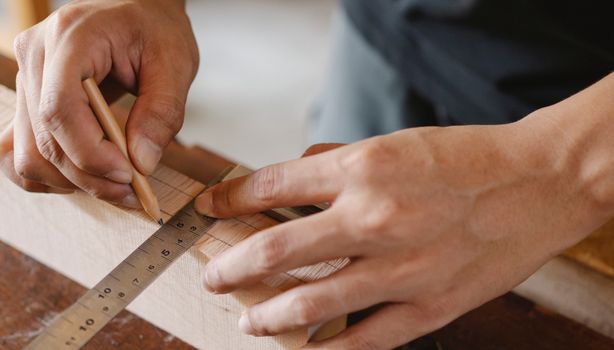
- Encourages Teamwork: Completing a project requires cooperation and coordination. Each member can take on different roles, whether it’s measuring, cutting, or sanding wood, ensuring everyone feels valued.
- Builds Lasting Memories: The experience of creating something together often becomes a cherished memory. Each time you use the furniture you built, it serves as a reminder of the fun and hard work you shared.
- Promotes Creativity: DIY wood projects allow family members to express their creativity. Whether it’s selecting the design, choosing colors, or personalizing the finish, everyone can contribute their ideas.
Common Mistakes to Avoid in DIY Wood Projects
While DIY projects are a fantastic way to bond, they can also come with challenges. Here are some common mistakes to avoid to ensure a smooth and enjoyable experience:
1. Skipping the Planning Phase
Many families rush into a project without adequate planning. This can lead to confusion and mistakes.
Solution: Take time to plan your project. Choose a design that suits your skill level and gather all necessary materials. Websites like Ted Woodworking offer detailed plans that can simplify this process.
2. Failing to Communicate Roles
When family members don’t know their specific tasks, it can lead to overlaps in work and frustration.
Solution: Assign roles based on each person’s strengths and interests. This way, everyone knows what to focus on, making the process more efficient and enjoyable.
3. Not Considering Safety
Safety should always be a priority, especially with power tools and sharp objects involved. Ignoring safety can lead to accidents and injuries.
Solution: Make sure everyone understands safety protocols. Invest in safety gear, such as goggles and gloves, and supervise younger family members closely when using tools.
4. Underestimating Time and Effort
Many families underestimate how long a project will take, leading to frustration when things don’t go as planned.
Solution: Be realistic about the time needed. Factor in breaks and allow for unexpected setbacks. It might take longer than expected, but that’s all part of the bonding experience.
5. Neglecting Finishing Touches
After putting in hard work, it can be tempting to call a project done without applying finishing touches like paint or stain.
Solution: Don’t overlook the final steps! These details enhance the beauty and longevity of your project. Discuss as a family how you want to finish your piece, making it a collaborative effort.
Tips for Successful Outdoor and Garden Projects
To ensure your family’s outdoor DIY wood projects are a success, here are a few additional tips:
- Choose Weather-Resistant Materials: If your furniture will be outdoors, opt for wood types that withstand the elements, such as cedar or redwood.
- Incorporate Fun Design Elements: Personalize your projects with designs that reflect your family’s personality, like carved initials or painted colors.
- Set Up a Comfortable Workspace: Ensure your workspace is safe and comfortable. Set up shaded areas for hot days and have plenty of water on hand.
- Celebrate Your Achievements: Once your project is complete, hold a family celebration or picnic using your new furniture. This will help solidify the memories of your hard work.
Final Thoughts
DIY wood projects are an excellent way for families to bond while creating something functional and beautiful for their outdoor spaces. By planning carefully, communicating effectively, and prioritizing safety, families can avoid common mistakes and enjoy the process of creating together. Remember, the true value lies not just in the finished product, but in the time spent together, learning, laughing, and making memories.
FAQ
- What age is appropriate for kids to start helping with DIY wood projects?
Kids can start helping with simple tasks as young as 5, but more complex tasks should be reserved for older children, usually around 10 and up. - What tools do I need for basic outdoor wood projects?
Basic tools include a saw, drill, measuring tape, level, and sandpaper. Ensure you have safety gear as well. - Where can I find plans for DIY wood projects?
Ted Woodworking is a great resource for detailed plans that cater to all skill levels, helping you get started easily.
📚 Related Articles
🔨 Want 16,000+ Woodworking Plans?
Get instant access to step-by-step plans with blueprints and cut lists.
Get Instant Access →