Introduction
When it comes to woodworking, having the right tools and materials is only part of the equation. Proper storage and organization of your wood and tools can dramatically improve your workflow and the quality of your DIY projects. The right wood storage accessories not only keep your workspace tidy but also protect your materials from damage. In this article, we will explore various wood storage accessories that can enhance your DIY projects while also addressing common mistakes and offering troubleshooting tips.
Essential Wood Storage Accessories
Before diving into common mistakes, let’s first discuss some essential wood storage accessories that every DIY enthusiast should consider:
- Wood Racks: Ideal for storing lumber vertically or horizontally, wood racks help maximize space and keep boards straight.
- Storage Bins: Clear bins or labeled containers can help organize smaller pieces and accessories, making it easy to locate materials when needed.
- Mobile Workbench: A mobile workbench with built-in storage can provide both a workspace and storage solution, making it easier to transport your tools and materials.
- Wall-Mounted Shelves: Utilizing wall space can free up floor space. Shelves can hold tools, finishes, and other materials that you need to keep within reach.
- Tool Chests: A well-organized tool chest can keep your tools in one place, reducing the time spent searching for the right tool.
Common Mistakes to Avoid
Even with the right accessories, many DIY enthusiasts face challenges that can hinder their projects. Here are some common mistakes to avoid:
1. Overloading Your Storage
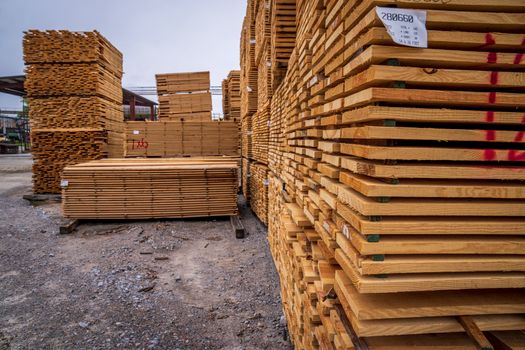
One of the biggest mistakes is overloading storage accessories. For example, cramming too many boards into a wood rack can lead to warping or damage.
Troubleshooting Tip: Always follow the weight limits specified by the manufacturer and consider using multiple racks for larger quantities of wood.2. Ignoring Material Types
Different types of wood have varying storage needs. For instance, hardwoods may require different conditions than softwoods.
Troubleshooting Tip: Research the proper storage conditions for each type of wood you use. Some may need to be stored in a climate-controlled environment to prevent warping or splitting.3. Poor Organization
Without a proper organization system, you may waste time searching for materials or tools, which can lead to frustration.
Troubleshooting Tip: Invest time in setting up a labeling system or color-coding materials to make it easier to find what you need.4. Neglecting Maintenance
Wood storage solutions, just like any other tool, require maintenance. Neglecting to clean or repair your storage can lead to inefficiency.
Troubleshooting Tip: Regularly inspect your storage accessories for wear and tear. Clean surfaces to prevent dust buildup, which can affect your materials.Enhancing Your Projects with Storage Accessories
Incorporating the right wood storage accessories can significantly enhance your DIY projects. Here’s how:
Improved Efficiency
With organized storage, you can spend less time searching for materials and more time focusing on your project. This efficiency can lead to quicker completion times and less frustration.
Increased Safety
Proper storage reduces the risk of injuries. For example, neatly stored tools are less likely to cause accidents than those left scattered around your workspace.
Better Material Condition
Keeping wood stored properly helps maintain its condition, ensuring that your projects look better and last longer. For example, using a dehumidifier in your storage area can help prevent moisture damage.
Resource for Plans
If you’re looking for detailed plans to help create your own storage solutions or projects, Ted Woodworking is a valuable resource. They offer a wide range of woodworking plans that cater to different skill levels and project types.
Conclusion
Ultimately, the right wood storage accessories can greatly enhance your DIY woodworking projects. By avoiding common mistakes and implementing practical storage solutions, you can improve your efficiency, safety, and the quality of your work. Remember to regularly assess your storage needs and adapt as necessary to ensure that your woodworking experience is as enjoyable and productive as possible.
Frequently Asked Questions (FAQ)
1. What is the best way to store lumber?
The best way to store lumber is to keep it off the ground in a dry, climate-controlled area. Use racks to store wood vertically to prevent warping.
2. How can I organize my woodworking tools?
Organize tools by category and frequently used items should be easily accessible. Consider using tool chests, pegboards, and labeled bins for better organization.
3. How often should I maintain my storage accessories?
Regularly inspect your storage accessories every few months. Clean surfaces and check for any wear and tear to ensure they remain functional and safe.
📚 Related Articles
🔨 Want 16,000+ Woodworking Plans?
Get instant access to step-by-step plans with blueprints and cut lists.
Get Instant Access →