Getting Started with Woodworking on a Budget
Woodworking is a fulfilling and creative hobby that allows you to make functional and beautiful items for your home. However, starting out can be daunting, especially when considering the costs involved. Fortunately, there are affordable ways to dive into woodworking without breaking the bank. In this article, we will discuss budget-friendly tips and common mistakes to avoid, along with troubleshooting tips and fixes to ensure your woodworking journey is enjoyable.
1. Start Small with Simple Projects
One of the most affordable ways to get started with woodworking is to choose small and simple projects. Here are a few ideas for beginner-friendly projects:
- Birdhouse: A classic starter project that requires minimal materials.
- Bookshelf: A straightforward project that can be built with basic cuts.
- Picture Frame: A great way to practice miter cuts and joinery.
- Plant Stand: Versatile and can be customized to fit your style.
By starting small, you can gradually build your skills without spending too much on materials.
2. Use Reclaimed Wood
Reclaimed wood is an excellent way to save money while getting unique materials for your projects. Here are some tips for using reclaimed wood:
- Source Locally: Check out local construction sites, lumber yards, or online marketplaces for reclaimed wood.
- Inspect Carefully: Always inspect the wood for nails, screws, or rot before using it.
- Clean and Sand: Reclaimed wood often needs some cleaning and sanding to remove old finishes and rough edges.
Using reclaimed wood not only cuts costs but also adds character to your projects.
3. Invest in Basic Tools
When starting out, it's essential to invest in a few basic tools rather than an entire workshop. Here’s a list of essential tools:
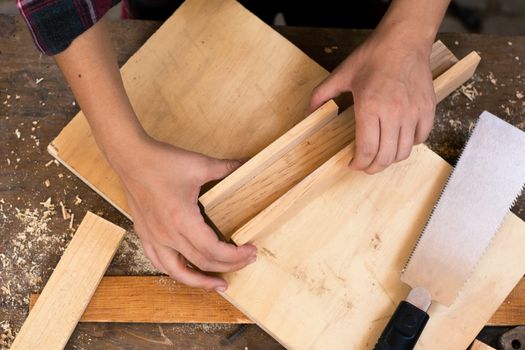
- Hand Saw: A reliable hand saw can handle most beginner projects.
- Drill: A cordless drill is versatile and useful for making holes and driving screws.
- Square: Essential for ensuring your cuts are straight and your corners are right angles.
- Sander: A simple palm sander can make your projects smooth and professional-looking.
As you progress, you can gradually invest in more specialized tools.
4. Learn from Free Resources
There are countless free resources available online to help you learn woodworking skills. Look for:
- YouTube Tutorials: Many experienced woodworkers share tips and project tutorials.
- Online Forums: Join woodworking communities to ask questions and share your progress.
- Free Plans: Websites like Ted Woodworking offer valuable plans and ideas for beginners.
Utilizing these resources will help you learn without spending a dime.
5. Avoid Common Mistakes
Even the most budget-conscious woodworking beginners can run into mistakes. Here are some common pitfalls and how to avoid them:
- Skipping Measurements: Always measure twice and cut once. This prevents wasted materials and time.
- Choosing the Wrong Wood: Not all woods are created equal. Make sure you are using wood suitable for your project.
- Ignoring Safety: Invest in a good pair of safety glasses and hearing protection. Safety should always come first.
By being aware of these mistakes, you can troubleshoot and fix issues before they become major problems.
6. Troubleshooting Tips for Beginners
If you encounter challenges while working on your projects, don't get discouraged. Here are some troubleshooting tips:
- Uneven Cuts: If your cuts are uneven, check the alignment of your saw and ensure you are using a straight edge as a guide.
- Loose Joints: If joints are fitting loosely, consider using wood glue or dowels for added strength.
- Finishing Issues: If the finish looks uneven, try sanding between coats and applying thinner layers of finish.
Remember, woodworking is a learning process. Every mistake is an opportunity to improve your skills.
Conclusion
Woodworking doesn't have to be an expensive hobby. By starting small, using reclaimed materials, investing in basic tools, and utilizing free resources, you can embark on your woodworking journey affordably. Keep learning, stay patient, and remember to have fun! With time and practice, you'll develop your skills and create beautiful pieces you can be proud of.
Frequently Asked Questions
Q1: What is the best wood for beginners?
A1: Softwoods like pine or poplar are great for beginners due to their affordability and ease of working with.
Q2: How can I find woodworking plans?
A2: Many websites offer free woodworking plans, including Ted Woodworking, which has a variety of plans for all skill levels.
Q3: What safety gear do I need for woodworking?
A3: Essential safety gear includes safety glasses, ear protection, and a dust mask to protect from sawdust.
📚 Related Articles
🔨 Want 16,000+ Woodworking Plans?
Get instant access to step-by-step plans with blueprints and cut lists.
Get Instant Access →