Introduction
Woodworking can be an incredibly rewarding hobby, allowing you to create beautiful and functional furniture pieces. However, before diving into more complex projects, it's essential to establish a strong foundation of basic woodworking skills. This article will guide you through the fundamental techniques that every beginner should learn first, focusing on joinery, precision, and achieving a professional finish.
The Importance of Basic Skills
Mastering basic woodworking skills not only enhances your capabilities but also helps you develop a deeper understanding of the craft. These skills will serve as the building blocks for more advanced techniques and projects. As you progress, you can tackle more intricate designs, but a solid foundation is crucial.
1. Measuring and Marking
One of the most critical skills in woodworking is the ability to measure accurately. Precision in your measurements will directly affect the overall quality of your projects.
- Tools Required: Tape measure, square, marking gauge, and a pencil.
- Key Techniques: Always measure twice and cut once, use a square to ensure right angles, and make clear, visible marks.
Practice measuring and marking on scrap wood to build your confidence. Accurate measurements will lead to better-fitting joints and a more polished final product.
2. Basic Joinery Techniques
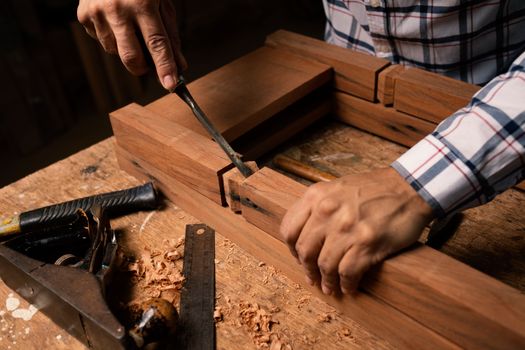
Joinery is the method of connecting two pieces of wood together. Understanding basic joinery techniques is essential for any woodworking project.
- Butt Joint: The simplest form of joinery, where two pieces of wood are joined end-to-end.
- Rabbet Joint: A recess cut into the edge of a board, allowing for a flush connection with another piece.
- Dado Joint: A groove cut across the grain of a board to hold another piece, often used in shelving.
- Miter Joint: A joint formed by cutting two pieces at an angle, commonly used in frame construction.
Start with simple projects that incorporate these joints. As you gain confidence, explore more complex joinery, such as dovetail and mortise-and-tenon joints.
3. Sawing Techniques
Learning to use a variety of saws is crucial for any woodworker. Different saws are designed for specific types of cuts, and mastering them will improve your precision.
- Hand Saw: Ideal for making straight cuts; practice sawing along a marked line.
- Jigsaw: Great for curved cuts; ensure your blade is sharp for clean edges.
- Table Saw: Perfect for making quick, accurate cuts; understand safety protocols before use.
- Band Saw: Useful for cutting irregular shapes and resawing; practice with scrap wood.
When using any saw, maintain control and focus on your cutting line to achieve precision. This will enhance the quality of your joinery and overall craftsmanship.
4. Sanding and Finishing
A professional finish can make or break your furniture piece. Learning how to sand and apply finishes properly is essential.
- Sanding: Start with coarse sandpaper (e.g., 80 grit) and progress to finer grits (e.g., 220 grit) for a smooth surface.
- Finishing: Choose between oil, varnish, or polyurethane. Test on scrap wood first to see how the finish affects the color and grain.
- Application: Use brushes or rags to apply finishes evenly. Always follow the manufacturer’s instructions for best results.
Practice sanding techniques to remove any imperfections and understand how different finishes can enhance the appearance of wood.
5. Safety First
As a beginner, safety should always be your top priority in woodworking. Familiarize yourself with safety equipment and practices.
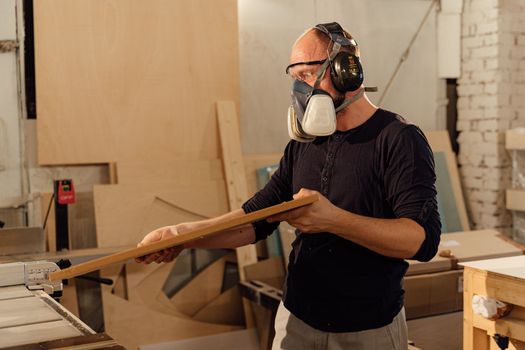
- Personal Protective Equipment: Wear safety goggles, ear protection, and a dust mask to protect yourself while working.
- Tool Safety: Always read the manual for power tools, and understand their operation before use.
- Work Environment: Maintain a clean and organized workspace to prevent accidents.
Establishing safe practices will ensure that you enjoy woodworking without unnecessary risks.
Using Resources Like Ted Woodworking
As you embark on your woodworking journey, consider utilizing plans and resources like Ted Woodworking. This platform offers a wealth of project plans ranging from beginner to advanced, providing you with detailed instructions and diagrams. It can be an invaluable tool as you develop your skills and take on new challenges.
Conclusion
Starting your woodworking journey can be exhilarating and fulfilling. By focusing on these basic skills—measuring, joinery, sawing, sanding, and safety—you'll cultivate a strong foundation that will serve you well in your future projects. With practice and patience, you'll be able to create beautiful furniture pieces that showcase your craftsmanship. Happy woodworking!
FAQ
What tools do I need to start woodworking?
Basic tools include a tape measure, square, saws (hand saw, jigsaw), clamps, and sandpaper. As you progress, you may invest in more advanced tools.
How can I improve my joinery skills?
Practice is key! Start with basic joints and gradually move to more complex ones. Watching tutorials and following project plans can also help.
Is it necessary to have power tools for beginners?
No, you can begin with hand tools. However, power tools can increase efficiency and precision as you advance in your woodworking skills.
📚 Related Articles
🔨 Want 16,000+ Woodworking Plans?
Get instant access to step-by-step plans with blueprints and cut lists.
Get Instant Access →