Introduction
For woodworkers, whether hobbyists or professionals, the proper storage of lumber is crucial. Not only does it protect your investment, but it also ensures that your materials stay in top condition for your projects. In this article, we will explore best practices for storing wood, focusing on cost-effective methods and affordable materials.
Understanding the Importance of Proper Storage
Wood is a natural material that is susceptible to changes in temperature, humidity, and light. When not stored correctly, it can warp, crack, or become infested with pests. Here are some reasons why proper storage is essential:
- Preservation of Quality: Proper storage helps maintain the integrity of the wood, ensuring it remains straight and free of defects.
- Cost Savings: By preventing damage, you save money on replacements and repairs.
- Efficiency: Well-stored lumber is easier to access and organize, saving you time on your projects.
Best Practices for Storing Wood
1. Keep Wood Elevated
One of the simplest yet most effective ways to store wood is to keep it off the ground. Elevating your wood helps prevent moisture absorption, which can lead to warping and mold growth. Here are some budget-friendly options:
- Use Pallets: Old pallets can be found at many warehouses or stores and can be repurposed as a cost-effective base for your wood storage.
- Build a Simple Rack: Construct a storage rack using 2x4s or reclaimed lumber. This is an affordable way to create a customized storage solution.
2. Control Humidity and Temperature
Wood thrives in stable environments. If possible, keep your wood stored in a climate-controlled area. Here are some tips:
- Choose the Right Location: Avoid basements or garages that can become damp. A dry, well-ventilated area is best.
- Use Dehumidifiers: If you live in a humid area, consider investing in a small dehumidifier to maintain optimal conditions.
3. Avoid Direct Sunlight
Direct sunlight can cause wood to fade and dry out, leading to cracks. To protect your wood:
- Store in a Dark Area: If possible, keep your wood in a shaded or dark area.
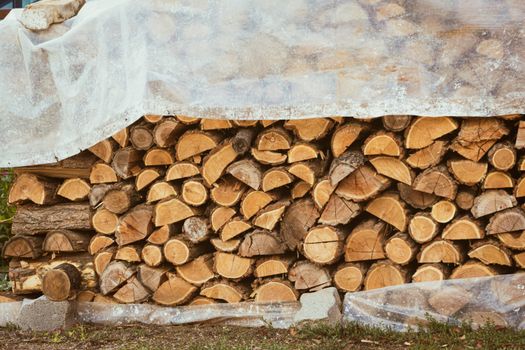
- Use Covers: If you must store wood in a sunny spot, consider using tarps or breathable fabric to shield it.
4. Organize Your Wood
Keeping your wood organized will not only help you find what you need when you need it, but it will also prevent accidental damage. Consider these organization tips:
- Sort by Size: Group wood by thickness and length to make it easier to find what you need.
- Label Your Wood: Use simple labels to identify different types of wood and their dimensions.
5. Use Proper Stacking Techniques
How you stack your wood can significantly affect its condition. Here are some techniques to follow:
- Use Stickers: Place thin strips of wood (stickers) between layers of lumber to allow airflow and prevent moisture accumulation.
- Stack Flat: Always stack lumber flat to prevent bowing. Avoid leaning or stacking wood at an angle.
6. Consider Pest Control
Pests can wreak havoc on stored wood. To keep your lumber safe:
- Inspect Regularly: Check your wood storage area for signs of pests or damage.
- Use Natural Repellents: Consider using cedar chips or essential oils like peppermint to deter insects without harmful chemicals.
Using Ted Woodworking for Storage Solutions
If you're looking for detailed plans and ideas for building your own wood storage system, Ted Woodworking offers a wealth of resources. Their extensive library provides plans that cater to various skill levels and budgets, helping you create a functional and aesthetically pleasing storage solution.
Conclusion
By following these best practices for storing wood, you can protect your investment and ensure quality in your woodworking projects. Whether you are a hobbyist or a professional, these tips will help you maintain your materials in optimal condition, ultimately saving you money and enhancing your craft.
FAQ
1. What is the ideal humidity level for storing wood?
The ideal humidity level for storing wood is between 30% and 50%. Maintaining this range helps prevent warping and mold growth.
2. How can I tell if my wood is too dry?
If your wood has visible cracks or splinters, or if it feels brittle to the touch, it may be too dry. Consider using a humidifier to restore moisture.
3. Is it necessary to treat wood before storage?
While not always necessary, treating wood with a sealant or finish can provide an extra layer of protection against moisture and pests, especially if you live in a humid area.
📚 Related Articles
🔨 Want 16,000+ Woodworking Plans?
Get instant access to step-by-step plans with blueprints and cut lists.
Get Instant Access →