Introduction
Building outdoor furniture can be a rewarding project for any woodworking enthusiast, especially beginners. Choosing the right wood type is crucial for ensuring durability and longevity against the elements. In this guide, we will explore the best wood types for outdoor furniture, along with some basic tools and techniques to get you started on your project.
Why Wood Type Matters
Outdoor furniture must withstand various weather conditions, including rain, sun, and humidity. The right wood will resist warping, rotting, and insect damage, ensuring that your furniture lasts for years. Here are some factors to consider when choosing wood for outdoor furniture:
- Durability: The wood should be able to withstand the elements.
- Maintenance: Some woods require more upkeep than others.
- Aesthetics: The appearance of the wood can enhance your outdoor space.
Top Wood Types for Outdoor Furniture
1. Teak
Teak is one of the most popular choices for outdoor furniture due to its exceptional durability and natural oils that protect it from moisture and insects. Its beautiful golden-brown color and fine grain make it a favorite for patio sets and garden benches.
2. Cedar
Cedar is lightweight and resistant to decay, making it an excellent choice for outdoor furniture. Its natural oils help repel insects, and it has a pleasant aroma. Cedar also weathers beautifully, developing a silver-gray patina over time.
3. Redwood
Redwood is known for its stunning appearance and resistance to moisture. It’s a bit pricier than other options but offers exceptional durability. Redwood furniture can last for decades with proper care.
4. Cypress
Cypress is another great choice for outdoor furniture. It contains a natural preservative called cypressene, which makes it resistant to decay and insects. Its light color and fine grain make it an attractive option for many outdoor settings.
5. Eucalyptus
Eucalyptus is a sustainable hardwood that is durable and weather-resistant. It has a rich, warm tone and is often used for outdoor dining sets and loungers. Eucalyptus furniture can last for several years with proper maintenance.
6. Pressure-Treated Pine
Pressure-treated pine is an affordable option for outdoor furniture. It is treated with chemicals to resist rot and insects, making it a budget-friendly choice. However, it may require regular maintenance and sealing to prolong its lifespan.
Basic Tools for Building Outdoor Furniture
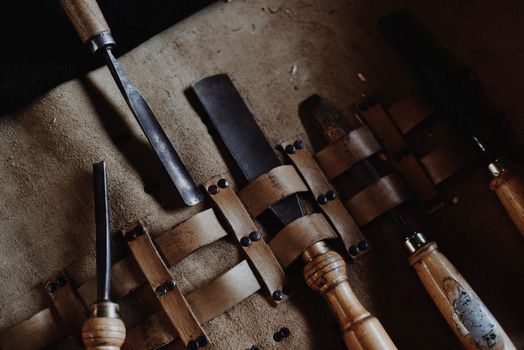
Before you dive into building your outdoor furniture, it’s essential to have the right tools. Here are some basic tools you will need:
- Miter Saw: Perfect for making accurate cuts at various angles.
- Drill: Useful for drilling holes and driving screws.
- Measuring Tape: Essential for accurate measurements.
- Sander: To smooth surfaces and edges.
- Clamps: To hold pieces together while assembling.
Step-by-Step Guide to Building Outdoor Furniture
Step 1: Choose Your Design
Before you start building, decide on the design of your outdoor furniture. You can find inspiration in magazines, online, or from plans like those offered by Ted Woodworking. Make sure to choose a design that matches your skill level.
Step 2: Gather Materials
Once you have your design, gather all the required materials. Purchase the wood type you’ve chosen and any additional supplies, such as screws, wood glue, and finishes.
Step 3: Measure and Cut the Wood
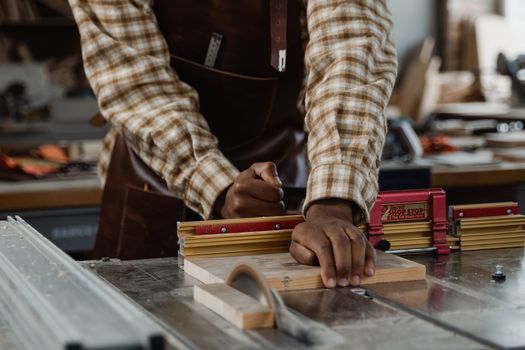
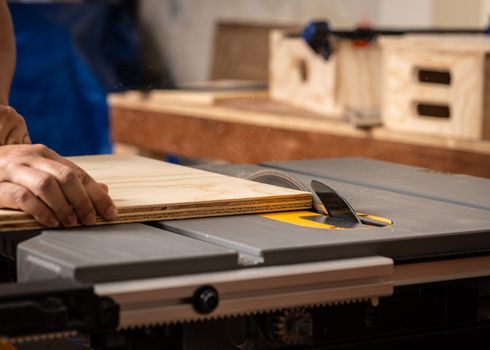
Using your measuring tape, mark the wood according to your design. Use the miter saw to make precise cuts. Take your time with this step to ensure accuracy.
Step 4: Assemble the Pieces
Start assembling the pieces, using wood glue and screws for stability. Use clamps to hold the parts in place as you work. This will help ensure everything stays aligned while the glue dries.
Step 5: Sand the Furniture
After assembly, use a sander to smooth all surfaces and edges. This step is crucial for preventing splinters and giving your furniture a professional finish.
Step 6: Apply Finish
To protect your furniture from the elements, apply a suitable outdoor finish or sealant. This will help enhance the wood’s natural beauty while providing a layer of protection against moisture and UV rays.
Step 7: Enjoy Your Creation
Once the finish is dry, place your outdoor furniture in your desired location and enjoy! You’ve just created a beautiful and functional piece that enhances your outdoor space.
Conclusion
Building outdoor furniture can be an enjoyable and fulfilling project, especially when you choose the right wood type. Teak, cedar, redwood, cypress, eucalyptus, and pressure-treated pine are all excellent options for durability and aesthetics. Remember that the right tools and techniques will help you achieve the best results. With a little patience and practice, you can create stunning outdoor furniture that will last for years to come.
FAQ
1. What is the most durable wood for outdoor furniture?
Teak is considered one of the most durable woods for outdoor furniture due to its natural oils that protect it from moisture and insects.
2. How often should I maintain my outdoor furniture?
It depends on the wood type. Generally, you should clean and reapply a protective finish every 1-2 years.
3. Can I use indoor wood for outdoor furniture?
It's not recommended. Indoor woods lack the natural resistance to moisture and insects that outdoor woods have, leading to quicker deterioration.
📚 Related Articles
🔨 Want 16,000+ Woodworking Plans?
Get instant access to step-by-step plans with blueprints and cut lists.
Get Instant Access →