Introduction
When it comes to building indoor furniture, choosing the right hardwood can make or break your project. The hardwood you select will influence not only the aesthetic appeal of your furniture but also its durability and functionality. In this article, we will explore the ideal hardwoods for DIY indoor furniture projects, common mistakes to avoid, and troubleshooting tips to ensure your success.
Popular Hardwoods for Indoor Furniture
Here are some of the most popular hardwoods that are perfect for indoor furniture projects:
- Oak: Known for its strength and durability, oak features a prominent grain that adds character to furniture. It is resistant to wear and tear, making it ideal for high-traffic areas.
- Maple: Maple is a dense hardwood that offers a smooth surface and subtle grain. It is excellent for a variety of furniture styles, especially modern designs.
- Cherry: Cherry wood is prized for its rich color and smooth finish. It ages beautifully, developing a deep, warm patina over time.
- Walnut: Walnut is known for its stunning dark color and unique grain patterns. It is a favorite for high-end furniture and can be used for both structural and decorative elements.
- Birch: Birch is a versatile hardwood that is relatively easy to work with. It has a fine grain and a light color, making it suitable for a variety of finishes.
Common Mistakes When Choosing Hardwood
Choosing the right hardwood is crucial, but DIYers often make mistakes in this area. Here are some common pitfalls to avoid:
1. Ignoring the Purpose of the Furniture
One of the most significant mistakes is not considering the purpose of the furniture. Different hardwoods have varying strengths and weaknesses. For instance, if you are building a dining table, you’ll want a durable wood like oak or maple that can withstand daily use.
2. Overlooking Grain Patterns
Another common error is not paying attention to the grain pattern. Some woods, like oak, have pronounced grains that may not suit every design. Consider how the grain will affect the overall look of your piece.
3. Skipping Moisture Content Checks
Moisture content can significantly affect the performance of your hardwood. Using wood that is too wet can lead to warping and cracking as it dries. Always check the moisture content before starting your project.
4. Not Considering Finish Compatibility
Some hardwoods react differently to stains and finishes. For example, cherry wood can darken significantly with certain finishes, while maple takes stain differently. Always test your finish on a scrap piece first.
Troubleshooting Tips and Fixes
Even with careful planning, issues can arise when working with hardwood. Here are some common problems and how to fix them:
1. Warping and Cracking
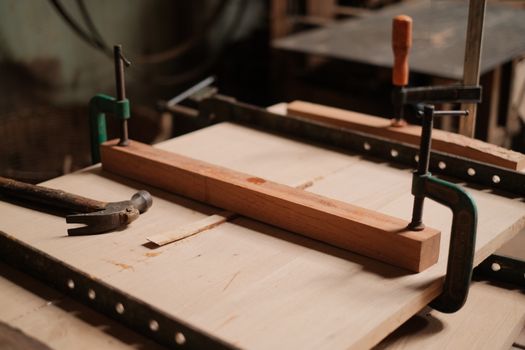
If your wood is warping or cracking, it may be due to moisture content or improper storage. To fix warping, you can try clamping the wood in its intended shape and applying heat with a heat gun. For cracks, consider using wood glue or epoxy to fill the gaps.
2. Poor Finish Application
If your finish isn't applying evenly or is raising the grain, it may be due to the wood's surface preparation. Sand the surface thoroughly before applying any finish. If the finish is blotchy, consider using a pre-stain conditioner to help achieve a more even application.
3. Difficulty in Joinery
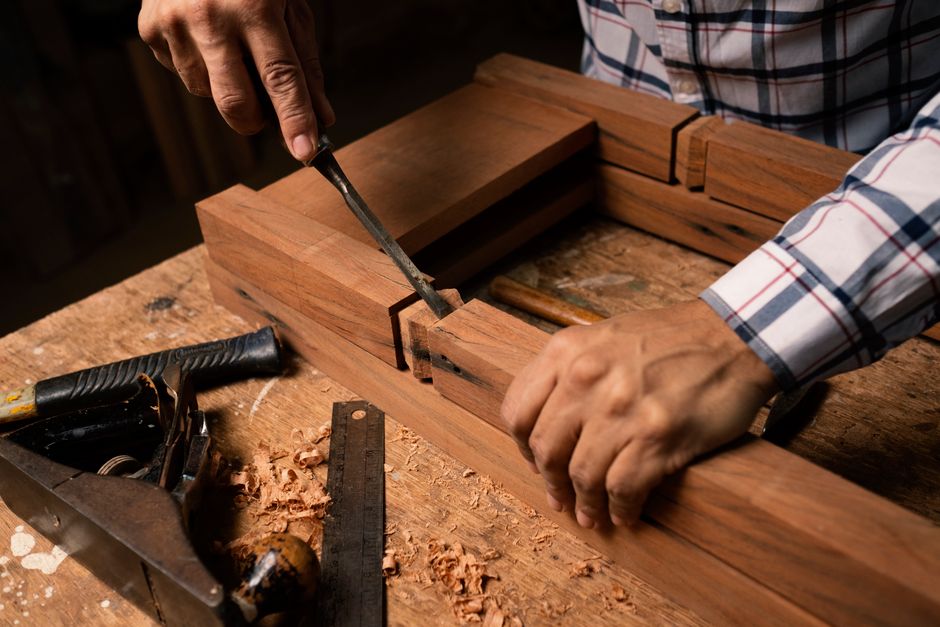
If you are struggling with joinery, it may be due to the hardness of the wood. Hardwoods like oak can be challenging to work with if your tools are not sharp. Make sure to sharpen your chisels and blades before starting. Additionally, consider using pocket hole joinery or dowels for a more straightforward assembly process.
Resources for DIY Furniture Plans
If you are looking for detailed plans for your next furniture project, consider checking out Ted Woodworking. This resource offers a plethora of plans that can help guide you through your DIY endeavors.
Conclusion
Choosing the right hardwood for your indoor furniture projects is a crucial step that can greatly affect the outcome of your work. By avoiding common mistakes and following troubleshooting tips, you can create beautiful and lasting pieces for your home. Always remember to consider the purpose, grain, moisture content, and finish compatibility of the hardwood you select. Happy woodworking!
FAQ
What is the best hardwood for a beginner DIYer?
Birch and maple are excellent choices for beginners due to their workability and availability.
How can I determine the moisture content of my wood?
You can use a moisture meter, which is an affordable tool that accurately measures the moisture content of wood.
Can I mix different hardwoods in one project?
Yes, mixing hardwoods can add visual interest, but be mindful of their different properties, such as hardness and finishing compatibility.
📚 Related Articles
🔨 Want 16,000+ Woodworking Plans?
Get instant access to step-by-step plans with blueprints and cut lists.
Get Instant Access →