Can I Repurpose Old Furniture for New Outdoor Projects?
Repurposing old furniture is a fantastic way to breathe new life into items that may have seen better days. Not only does it save money, but it also helps reduce waste and adds a personal touch to your outdoor space. Whether you have an old table, chairs, or even a dresser, there are countless ways to transform these pieces into stunning outdoor projects.
Why Repurpose Furniture?
- Eco-Friendly: Repurposing reduces waste and gives old items a new lease on life.
- Cost-Effective: Save money by using what you already have instead of buying new outdoor furniture.
- Creative Expression: Customizing furniture allows you to showcase your style and creativity.
Gathering the Right Tools and Materials
Before you begin your repurposing project, it's important to gather the necessary tools and materials. Here are some basic items you'll need:
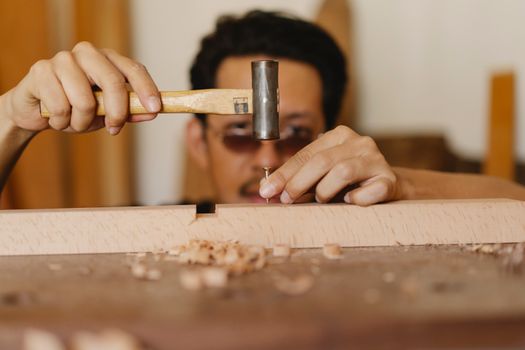
- Basic Tools: Hammer, screwdriver, saw (hand saw or power saw), sandpaper, and a paintbrush.
- Materials: Old furniture, wood glue, screws, outdoor paint or sealant, and any additional decorative items you may want to add.
Step-by-Step Guide to Repurposing Old Furniture
Now that you have your tools and materials, let’s dive into a simple step-by-step guide to repurposing old furniture for outdoor projects.
1. Choose Your Furniture
Start by selecting which piece of furniture you want to repurpose. Some great candidates include:
- Old wooden chairs
- Tabletops from discarded tables
- Dressers for planters
2. Assess the Condition
Check the furniture for any damage, such as cracks, loose joints, or rust (if it’s metal). Make necessary repairs:
- Tighten screws or bolts.
- Fill in cracks with wood filler.
- Sand down rough areas to ensure a smooth surface.
3. Clean the Furniture
Before painting or staining, thoroughly clean the piece to remove dirt, grease, and old finishes. Use a mixture of warm soapy water and a soft cloth, followed by a rinse with clean water. Allow it to dry completely.
4. Plan Your Design
Think about what you want the final product to look like. Here are some ideas:
- Turn an old table into a garden bench.
- Use chair backs to create a decorative fence.
- Transform a dresser into a vertical garden for herbs.
5. Make the Necessary Cuts
Using your saw, make the cuts necessary to achieve your desired design. Always wear safety glasses and follow safety guidelines when using power tools.
6. Assemble the Pieces
Once you have all the pieces ready, assemble them according to your design. Use wood glue and screws to secure joints, ensuring everything is sturdy and stable.
7. Sand and Finish
After assembly, sand the entire piece to remove any rough edges. Choose an outdoor paint or wood sealant to protect your furniture from the elements. Apply at least two coats for durability, allowing sufficient drying time between applications.
8. Add Personal Touches
Add decorative elements to personalize your repurposed furniture. Consider using stencils to paint designs, adding cushions for comfort, or even hanging planters on a repurposed bench.
9. Place in Your Outdoor Space
Finally, find the perfect spot for your newly created outdoor furniture. Arrange it to create a cozy and inviting atmosphere in your garden or patio.
Resources for Your Next Project
If you are looking for more detailed plans and ideas, consider checking out Ted Woodworking. This resource offers a plethora of woodworking plans that can inspire your next outdoor furniture project.
Conclusion
Repurposing old furniture not only allows you to create unique outdoor pieces but also gives you the satisfaction of crafting something with your own hands. With just a few basic tools and some creativity, you can transform forgotten items into beautiful additions to your outdoor space.
FAQs
1. What types of old furniture are best for outdoor projects?
Wooden furniture, metal pieces, and sturdy items that can withstand the elements are ideal. Look for items that are still structurally sound.
2. How do I protect my repurposed furniture from the weather?
Use an outdoor-grade paint or sealant to protect the furniture from rain and sun. Regular maintenance and touch-ups can prolong its life.
3. Can I repurpose furniture without power tools?
Yes! Many projects can be completed with hand tools like a hand saw, hammer, and screwdriver. Just be prepared to invest more time and effort into the project.
📚 Related Articles
🔨 Want 16,000+ Woodworking Plans?
Get instant access to step-by-step plans with blueprints and cut lists.
Get Instant Access →