When Should I Upgrade My Woodworking Tools?
As a woodworker, you know that the right tools can make all the difference in achieving precision, perfect joinery, and a professional finish. However, the decision to upgrade your woodworking tools is not always straightforward. In this article, we will delve into the signs that indicate it's time to invest in better tools, focusing on advanced techniques and the critical role your tools play in your woodworking projects.
Understanding Your Current Tools
Before deciding to upgrade, it’s crucial to assess your current collection of tools. Take a moment to consider the following:
- Performance: Are your tools performing as expected? Do they consistently provide the results you desire?
- Precision: Are you able to achieve the level of accuracy needed for intricate joinery tasks?
- Wear and Tear: Are your tools showing signs of age, such as rust, dull blades, or inaccurate cuts?
If you find your tools lacking in any of these areas, it might be time to consider an upgrade.
Signs That It's Time to Upgrade
Recognizing the signs that it’s time to upgrade your tools can save you time, effort, and frustration in the long run. Here are some key indicators:
- Inconsistent Results: If you notice that your joints are not fitting together well or your cuts are uneven, it may be due to worn-out tools. Upgrading to higher-quality saws, chisels, or routers can significantly improve the quality of your work.
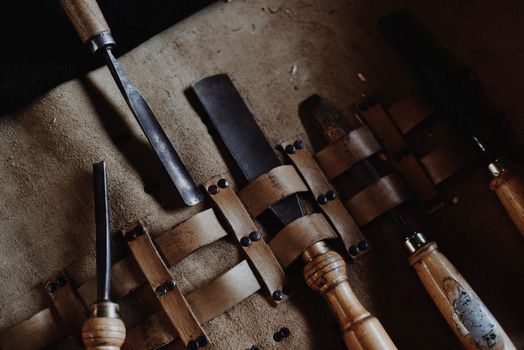
- Difficulty in Achieving Precision: Advanced joinery techniques, such as dovetails or mortise and tenon joints, require a high level of precision. If your current tools are making it difficult to achieve tight, clean joints, it may be worth investing in specialized tools like a dovetail jig or a high-quality chisel set.
- Increased Project Complexity: As you take on more complex projects, the need for more advanced tools increases. If your woodworking has progressed to intricate designs, tools like a laser cutter or a precision miter saw can enhance your capabilities and the quality of your finished pieces.
- Time Efficiency: If you find yourself spending too much time on setup or struggling with tools that don’t perform well, upgrading can help streamline your workflow. Tools that offer better performance can save you hours on projects.
- Outdated Technology: Woodworking technology is continually evolving. If your tools are several generations old, consider upgrading to models that incorporate the latest advancements in precision engineering.
Choosing the Right Time to Upgrade
Timing your tool upgrades can be as important as the tools themselves. Here are some considerations to keep in mind:
- Before Starting a Major Project: If you have a significant project on the horizon that requires precise joinery or a professional finish, it may be wise to upgrade your tools before starting. This ensures you have the right equipment to achieve the desired results.
- During Downtime: If you find yourself in a lull between projects, it’s a great opportunity to invest in new tools. This way, you can spend time familiarizing yourself with their use before your next project begins.
- When You Have a Budget: Tool upgrades can be a significant investment, so it’s best to plan your purchases when you have the financial flexibility to do so. Look for sales, discounts, or package deals to maximize your budget.
What to Look for in New Tools
When considering an upgrade, it’s essential to choose tools that will enhance your woodworking experience. Here are some features to look for:
- Precision Engineering: Look for tools designed for accuracy, such as those with precise calibration or fine-tuning mechanisms.
- Ergonomic Design: Comfort is crucial when working on intricate joinery. Tools that are ergonomically designed can help reduce fatigue and improve your overall efficiency.
- Durability: Invest in tools made from high-quality materials that can withstand the rigors of woodworking over time.
- Versatility: Tools that can serve multiple functions can be a great addition to your workshop. For instance, a table saw with adjustable settings can accommodate various cuts and joinery techniques.
Resources for Plans and Techniques
When upgrading your tools, it can be beneficial to have access to quality woodworking plans and techniques. Resources like Ted Woodworking provide an extensive library of plans that cater to all skill levels, enabling you to take full advantage of your new tools.
Conclusion
Upgrading your woodworking tools is a significant decision that can greatly impact the quality of your projects. By recognizing the signs that indicate it’s time for an upgrade and understanding the features to look for in new tools, you can enhance your woodworking skills and achieve a level of precision and professionalism that elevates your craftsmanship. Remember, investing in quality tools is an investment in your art.
FAQ
1. How do I know if my tools are worn out?
Signs of worn-out tools include rust, dull blades, and difficulty achieving accurate cuts. If you notice these issues, it may be time to upgrade.
2. Are expensive tools always worth the investment?
Not necessarily. While high-quality tools often provide better performance, it's essential to choose tools that fit your specific needs and projects.
3. Can I upgrade tools gradually, or should I do it all at once?
Gradual upgrades can be a practical approach, allowing you to invest in tools as your skills and project complexity grow.
📚 Related Articles
🔨 Want 16,000+ Woodworking Plans?
Get instant access to step-by-step plans with blueprints and cut lists.
Get Instant Access →