Introduction
Woodworking is an art that combines creativity with technique, especially when it comes to advanced projects. As woodworkers elevate their skills, certain techniques become essential to achieve superior craftsmanship. Whether you are building fine furniture or intricate cabinetry, understanding advanced woodworking techniques can significantly impact your work. In this article, we will explore essential woodworking techniques focusing on joinery, precision, and achieving a professional finish.
1. Mastering Joinery Techniques
Joinery is the backbone of woodworking. A strong, durable joint is crucial for the longevity and integrity of any project. Advanced woodworkers should be familiar with various joinery methods:
- Dovetail Joints: Known for their strength and aesthetic appeal, dovetails are commonly used in drawers and cabinetry. Mastering hand-cut dovetails can set your work apart.
- Mortise and Tenon Joints: This classic technique provides excellent strength and is ideal for frame construction. It requires precision to ensure a tight fit.
- Box Joints: Also known as finger joints, these are simpler to cut than dovetails and offer a robust joint for boxes and drawers.
- Biscuit Joints: This method uses a small, oval-shaped piece of wood to connect two boards. It's a quick and effective way to align edges.
- Doweling: Dowels can be used to reinforce joints and are versatile for various applications. Ensure accurate drilling for a perfect fit.
2. Ensuring Precision in Woodworking
Precision is paramount in advanced woodworking. It is vital to make every cut and measurement with exactness. Here are some techniques to enhance precision:
- Measuring Tools: Invest in high-quality measuring tools such as calipers, square rulers, and tape measures. Always double-check your measurements.
- Marking Techniques: Use sharp pencils or marking knives for clear lines. Avoid using the same marking tool for both measuring and cutting.
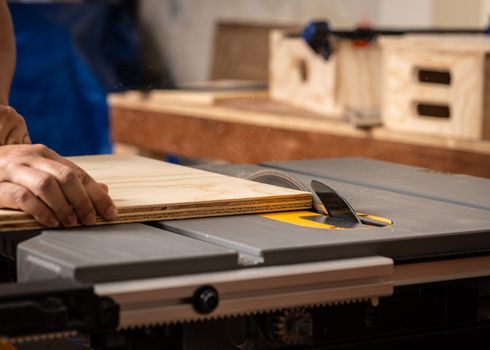
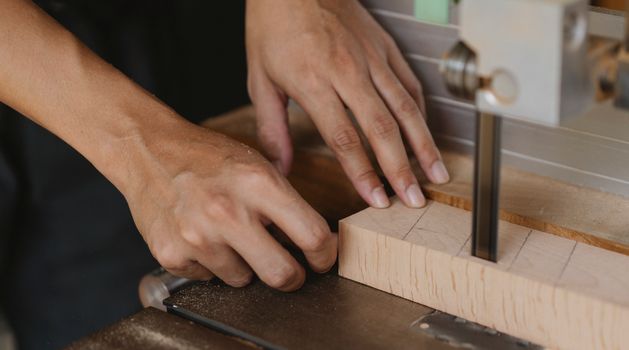
- Cutting Techniques: Employ the right saw for the job. A table saw, miter saw, or band saw can dramatically affect the accuracy of your cuts.
- Jigs and Fixtures: Creating custom jigs can enhance repeatability and precision in your cuts and joints. Dovetail jigs, for instance, can help achieve consistent results.
- Power Tools: Familiarize yourself with power tools like routers and planers, which can significantly improve the precision of your work.
3. Achieving a Professional Finish
The finishing touches on your woodworking project can elevate it from ordinary to extraordinary. Here are some essential techniques for achieving a professional finish:
- Sanding: Sanding is critical for smooth surfaces. Start with a coarse grit and gradually move to finer grits. Always sand with the grain.
- Staining and Painting: Choose high-quality stains and paints. Test them on scrap wood to see how they interact with your chosen wood species.
- Sealing: Apply a suitable sealant to protect the wood and enhance its appearance. Polyurethane, lacquer, and shellac are popular options.
- Polishing: For a glossy finish, consider buffing the surface with a fine abrasive or polishing compound.
- Final Inspection: Before completing a project, inspect every joint and surface. Look for imperfections and address them accordingly.
4. Utilizing Resources for Advanced Projects
For those looking to take their woodworking skills to the next level, resources like Ted Woodworking can provide invaluable plans and guidance. Their comprehensive plans cover a wide range of advanced projects, ensuring that woodworkers have the information they need to succeed.
Conclusion
Advanced woodworking is a rewarding pursuit that requires dedication to mastering essential techniques. By focusing on joinery, precision, and finishing, woodworkers can create projects that are not only functional but also aesthetically pleasing. Whether you are an experienced craftsman or looking to enhance your skills, these techniques will help you achieve the level of professionalism you aspire to in your woodworking projects.
FAQ Section
1. What is the best wood for advanced woodworking projects?
The best wood depends on the project, but hardwoods like oak, maple, and walnut are popular choices for their durability and beauty.
2. How can I improve my joinery skills?
Practice is key. Start with simpler joints and gradually take on more complex ones. Consider using jigs and templates to achieve consistent results.
3. What finishing techniques can I use to enhance my woodworking projects?
Experiment with different stains, sealants, and finishes. Techniques like sanding, polishing, and applying multiple coats can significantly enhance the final look.
📚 Related Articles
🔨 Want 16,000+ Woodworking Plans?
Get instant access to step-by-step plans with blueprints and cut lists.
Get Instant Access →