Why Choose Reclaimed Wood for Beginner Woodworking Projects?
Woodworking is a rewarding and fulfilling hobby that allows you to create functional and beautiful pieces for your home. For beginners, selecting the right materials can be daunting. One excellent option that is gaining popularity is reclaimed wood. In this article, we will explore why reclaimed wood is an ideal choice for beginner woodworking projects, along with common mistakes to avoid and troubleshooting tips to enhance your crafting experience.
The Benefits of Reclaimed Wood
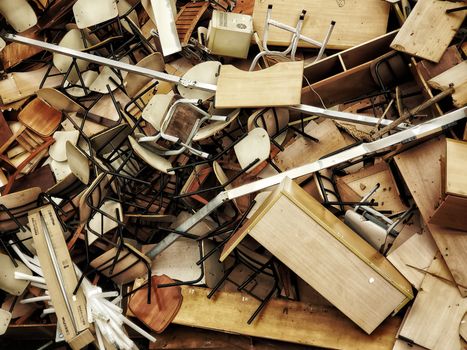
- Eco-Friendly: Reclaimed wood is sourced from old buildings, barns, and other structures that are no longer in use, giving new life to materials that would otherwise go to waste. By using reclaimed wood, you contribute to environmental sustainability.
- Unique Character: Each piece of reclaimed wood has its own history, with unique grain patterns, colors, and textures. This individuality can add character to your projects, making them stand out.
- Stability: Older wood tends to be more stable than newer lumber, as it has had time to dry and adjust to its environment. This means that reclaimed wood is less likely to warp or split over time.
- Cost-Effective: While some reclaimed wood can be pricey, many sources offer affordable options, especially if you are willing to put in some effort to find materials. You can often find reclaimed wood at local salvage yards or online marketplaces.
- Connection to History: Working with reclaimed wood can connect you to the past, allowing you to incorporate stories and history into your projects.
Common Mistakes to Avoid When Working with Reclaimed Wood
While reclaimed wood offers numerous benefits, it also presents unique challenges for beginners. Here are some common mistakes to avoid and tips for troubleshooting:
1. Not Inspecting the Wood Properly
Before you start a project, take time to carefully inspect each piece of reclaimed wood. Look for:
- Splits, cracks, or knots that may affect the integrity of your project.
- Signs of insect damage or mold, which can pose health risks.
- Uneven surfaces or warped boards that may require additional work to stabilize.
Tip: If you find damaged areas, consider cutting them out or using them in a way that minimizes their visibility in your final piece.
2. Skipping the Cleaning Process
Reclaimed wood may come with dirt, old finishes, or even lead paint. Skipping the cleaning process can lead to issues down the line.
Tip: Use a combination of a stiff brush, soapy water, and sandpaper to clean the wood. Always wear protective gear and ensure proper ventilation when working with reclaimed wood.
3. Underestimating the Need for Preparation
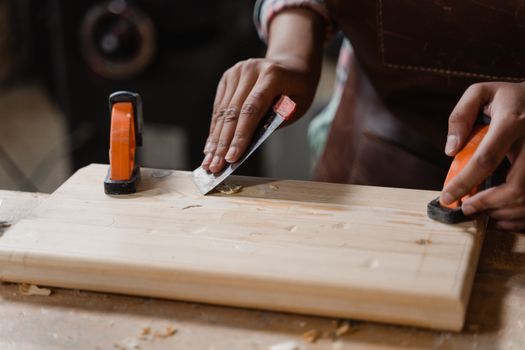
Many beginners jump straight into their projects without adequately preparing their reclaimed wood. Failing to sand, plane, or treat the wood can lead to problems such as rough surfaces or splinters.
Tip: Invest time in preparation. Sanding the wood not only smooths out imperfections but also opens up the grain for better finishing. Consider using a wood conditioner before applying stains or finishes.
4. Choosing the Wrong Joinery Techniques
Reclaimed wood can vary significantly in density and hardness, making it essential to choose the right joinery methods. Using inappropriate techniques can lead to weak joints and structural failures.
Tip: For beginners, consider simpler joinery techniques like pocket holes or dowel joints. As you gain experience, you can explore more complex methods.
5. Neglecting Finishing Options
Many novice woodworkers overlook the importance of finishing reclaimed wood. A proper finish not only enhances the wood's appearance but also protects it from moisture and wear.
Tip: Experiment with various finishes, such as oils, stains, or sealants. Be sure to apply them in a well-ventilated area, and follow the manufacturer's instructions for the best results.
Finding Plans and Resources
For those looking to start their woodworking journey with reclaimed wood, one excellent resource is Ted Woodworking. This platform offers a wide range of plans and ideas tailored for beginners, making it easier to select the right project for your skill level and material.
Conclusion
Choosing reclaimed wood for your beginner woodworking projects is an excellent decision that combines sustainability with unique character. However, it is essential to be aware of common pitfalls and to prepare adequately. By inspecting your wood, cleaning it properly, preparing it thoroughly, choosing appropriate joinery techniques, and finishing carefully, you can create beautiful pieces that are both functional and full of history.
FAQ
1. Where can I find reclaimed wood?
You can find reclaimed wood at local salvage yards, antique stores, or online marketplaces like Craigslist and Facebook Marketplace. Check with local builders or contractors for leftover materials.
2. Can I use reclaimed wood for outdoor projects?
Yes, reclaimed wood can be used for outdoor projects, but it is crucial to choose wood that has been treated for outdoor use or to apply a weather-resistant finish to protect it from the elements.
3. How do I ensure my reclaimed wood is safe to use?
Always inspect reclaimed wood for signs of damage or contamination. If you suspect lead paint or mold, consider using protective gear during the cleaning process or consult a professional for advice.
📚 Related Articles
🔨 Want 16,000+ Woodworking Plans?
Get instant access to step-by-step plans with blueprints and cut lists.
Get Instant Access →