Why Kids Should Learn Woodworking: A Parent's Guide
Woodworking is more than just a hobby; it is a valuable skill that can provide children with a sense of accomplishment, boost their creativity, and teach them essential life skills. In this guide, we will explore why you should encourage your kids to learn woodworking, how to get started on a budget, and provide some cost-saving tips along the way.
The Benefits of Woodworking for Kids
- Enhances Creativity: Woodworking allows children to express their creativity. They can design their own projects, choose colors, and add personal touches.
- Improves Problem-Solving Skills: Building furniture or toys requires planning, measuring, and adjusting. Kids learn to think critically and overcome challenges.
- Builds Confidence: Completing a woodworking project gives kids a sense of achievement. It helps them build confidence in their abilities.
- Teaches Responsibility: Working with tools and materials requires responsibility. Children learn to care for their tools and understand safety protocols.
- Encourages Teamwork: Woodworking can be a team activity. Kids can work together on projects, learning to communicate and collaborate effectively.
Getting Started with Woodworking on a Budget
Woodworking can seem like an expensive hobby, but it is possible to embark on this journey without breaking the bank. Here are some tips on how to start woodworking with your kids affordably.
1. Choose Affordable Materials
When starting out, consider using inexpensive materials. Here are some ideas:
- Pine Lumber: This is one of the most affordable woods available and is easy to work with for beginners.
- Reclaimed Wood: Look for old furniture or pallets that can be repurposed. This not only saves money but is also environmentally friendly.
- Particle Board: While not as durable as solid wood, particle board is inexpensive and can be a great option for simple projects.
2. Start with Simple Projects
Begin with easy projects that require minimal materials and tools. Here are a few ideas:
- Birdhouses: Simple designs can be made with just a few pieces of wood.
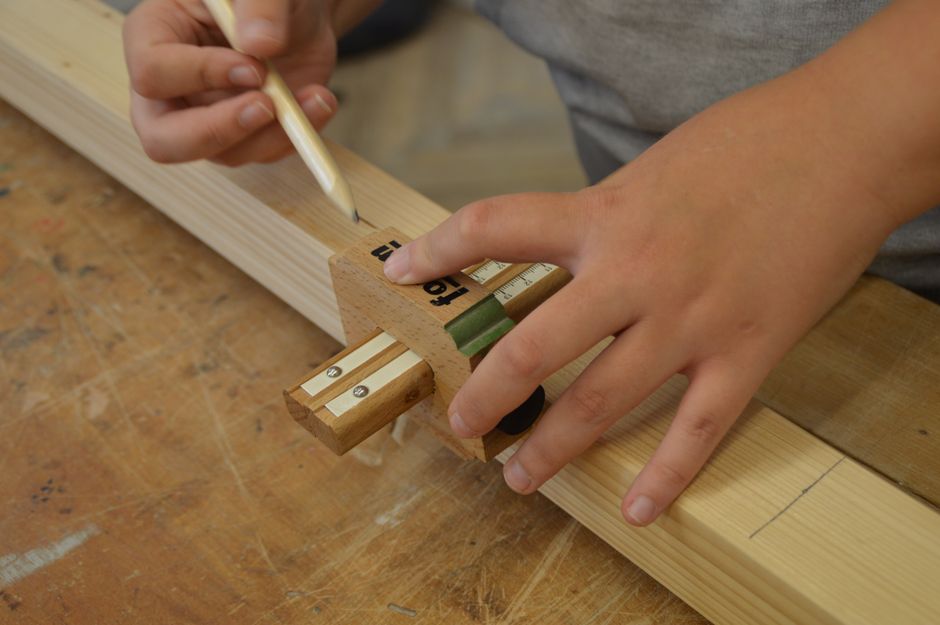
- Picture Frames: These projects help kids practice measuring and cutting while being creative.
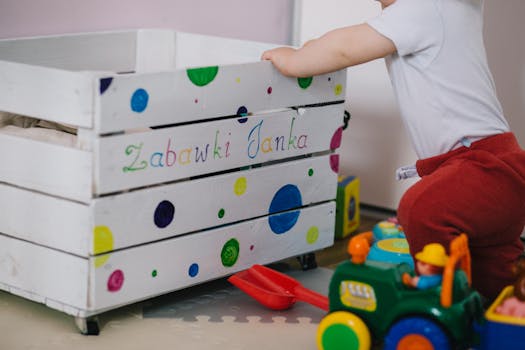
- Wooden Toys: Items like blocks or simple cars are easy to make and fun for kids to play with.
3. Utilize Online Resources
The internet is a treasure trove of woodworking resources. Websites like Ted Woodworking offer various plans that are budget-friendly and easy to understand. This resource can help you find projects that suit your child’s skill level and interests.
4. Purchase or Borrow Tools Wisely
Investing in tools can be costly, but there are ways to save:
- Start Small: Invest in a few essential tools like a handsaw, hammer, and measuring tape. You can gradually add more tools as your child progresses.
- Borrow Tools: Ask friends or family if you can borrow tools, especially if you are just starting out.
- Buy Second-Hand: Check local thrift stores, garage sales, or online marketplaces for used tools.
5. Make It a Family Activity
Woodworking can be a wonderful family bonding experience. Working on projects together not only teaches kids valuable skills but also creates lasting memories. Set aside time each week to dedicate to woodworking, and make it a fun and engaging activity for everyone.
Safety First
Before starting any woodworking project, safety should be the number one priority. Here are some safety tips to keep in mind:
- Wear Protective Gear: Ensure your child wears safety goggles and ear protection when necessary.
- Supervise Tool Use: Always supervise your child when they are using tools, especially power tools.
- Teach Safety Protocols: Educate your child about the importance of safety in the workshop.
Conclusion
Encouraging your children to learn woodworking is a fantastic way to help them develop essential skills while having fun. By focusing on budget-friendly materials and simple projects, you can make woodworking an accessible and enjoyable experience for your family. Remember, the most important aspect is to foster creativity and a love for making things with their hands. With the right guidance and resources, your kids will thrive in this rewarding craft.
FAQ
- What age is appropriate for kids to start woodworking? Kids can start woodworking as young as 5 or 6 with supervision. Simple projects can be made with adult help.
- Do I need a lot of tools to get started? No, you can start with a basic set of tools, including a handsaw, hammer, and measuring tape.
- Where can I find woodworking plans for kids? Websites like Ted Woodworking offer a variety of plans suitable for children and beginners.
📚 Related Articles
🔨 Want 16,000+ Woodworking Plans?
Get instant access to step-by-step plans with blueprints and cut lists.
Get Instant Access →