Introduction
Building furniture and toys for kids can be a rewarding endeavor, especially when you prioritize eco-friendly materials. Using sustainable wood not only benefits the environment but also ensures that the items you create are safe and healthy for children. In this article, we’ll explore the best eco-friendly wood sources for your DIY projects, the tools you’ll need, and how to make informed choices that align with your values.
Why Choose Eco-Friendly Wood?
Eco-friendly wood sources are vital for several reasons:
- Environmental Impact: Sustainable wood harvesting practices help preserve forests and biodiversity.
- Health Benefits: Non-toxic finishes and natural materials are safer for children.
- Durability: Well-sourced wood can lead to long-lasting furniture and toys.
Types of Eco-Friendly Wood Sources
When considering wood for your kids' furniture and toy projects, look into the following eco-friendly options:
1. Bamboo
Bamboo is a highly renewable resource that grows rapidly, making it one of the most sustainable materials available.
- Pros: Lightweight, strong, and water-resistant. It requires little maintenance.
- Cons: Can be more expensive than traditional hardwoods and may require special tools for cutting.
2. Reclaimed Wood
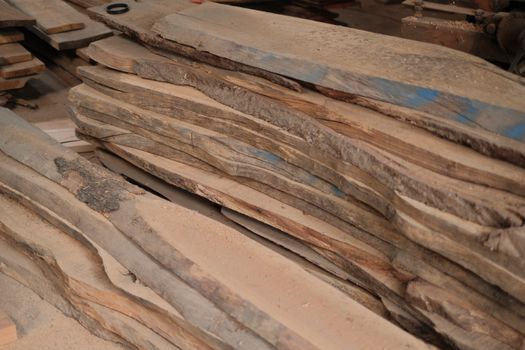
Reclaimed wood is salvaged from old buildings, furniture, and other sources, reducing waste and giving timber a second life.
- Pros: Unique character, rich history, and environmentally friendly.
- Cons: May require more preparation and could contain nails or other hardware that need removing.
3. FSC-Certified Wood
The Forest Stewardship Council (FSC) certifies wood that has been responsibly harvested and meets strict environmental and social standards.
- Pros: Assurance of sustainable practices and quality wood.
- Cons: Availability may vary, and prices can be higher than non-certified options.
4. Plyboard from Recycled Materials
Made from recycled wood fibers, plyboard offers an eco-friendly alternative to solid wood.
- Pros: Versatile, lightweight, and less expensive than solid wood.
- Cons: May not have the same aesthetic appeal as solid wood and can be less durable.
Essential Tools for Working with Eco-Friendly Wood
To successfully work with these eco-friendly materials, you’ll need the right tools. Here’s a review of some essential tools for your DIY projects:
1. Circular Saw
A circular saw is essential for making straight cuts in various types of wood.
- Pros: Versatile and easy to use for rip and cross cuts.
- Cons: Requires practice to ensure precision, especially with thinner materials like plyboard.
2. Jigsaw
Ideal for cutting curves and intricate shapes, a jigsaw is a great tool for crafting toys.
- Pros: Excellent for detailed work and can cut various materials.
- Cons: Not as powerful for thicker wood and may require a steady hand.
3. Router
A router is perfect for shaping edges and creating decorative effects.
- Pros: Adds professional finishes and can be used for hollowing out materials.
- Cons: Somewhat complex to use and can be costly.
4. Sander
A sander is essential for smoothing surfaces and preparing wood for finishing.
- Pros: Saves time and effort compared to hand sanding.
- Cons: May create dust, so it's essential to work in a well-ventilated area.
5. Ted's Woodworking Plans
If you're looking for inspiration and detailed plans for your projects, Ted's Woodworking is a fantastic resource. It offers a wide variety of woodworking plans, including eco-friendly furniture and toy designs.
- Pros: Comprehensive instructions, a broad range of styles, and support for DIY enthusiasts.
- Cons: There is a learning curve for beginners to follow complex plans.
Conclusion
Choosing eco-friendly wood sources for your DIY kids' furniture and toys not only promotes sustainability but also enriches your crafting experience. By using materials like bamboo, reclaimed wood, or FSC-certified options, you can create beautiful, safe, and durable items for children. Equip yourself with the right tools, and consider referencing resources like Ted's Woodworking for guidance on your projects.
FAQ
1. What is the most sustainable wood for kids' furniture?
Bamboo and reclaimed wood are among the most sustainable options due to their fast growth rate and reduced environmental impact, respectively.
2. Are there any non-toxic finishes I should use?
Yes! Look for finishes labeled as non-toxic or child-safe, such as water-based paints or oils, to ensure safety for children.
3. How can I ensure the wood I buy is eco-friendly?
Look for certifications like FSC, buy reclaimed wood, or choose rapidly renewable resources like bamboo to ensure sustainability.
📚 Related Articles
🔨 Want 16,000+ Woodworking Plans?
Get instant access to step-by-step plans with blueprints and cut lists.
Get Instant Access →