Introduction
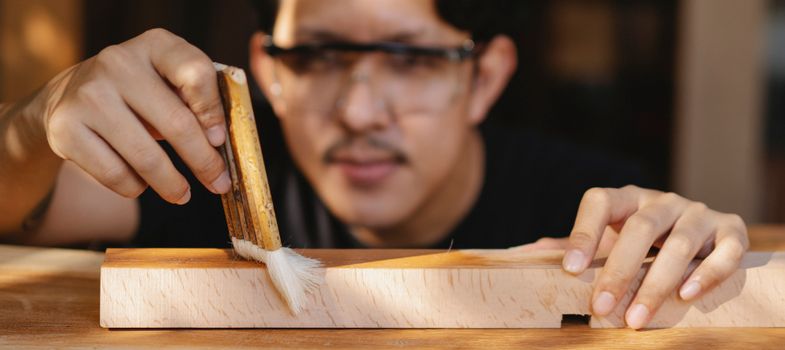
When it comes to wood finishing, the combination of oils and waxes has become a popular topic among woodworkers. Both products have their unique benefits, and when used together, they can create a truly stunning finish that enhances the natural beauty of the wood while providing protection. In this article, we will explore the advantages of using oils and waxes in tandem, review some recommended tools, and offer tips for achieving a unique finish.
Benefits of Using Oils and Waxes
Before diving into tools and techniques, let’s discuss the benefits of using both oils and waxes for wood finishing:
- Enhanced Aesthetics: Oils penetrate the wood and bring out its natural grain and color, while waxes provide a soft sheen and smooth texture.
- Durability: Oils offer moisture resistance and protection against wear, while waxes add an extra layer of defense against dirt and grime.
- Easy Maintenance: Waxed surfaces are easy to maintain; they can be simply buffed to restore shine without needing to reapply the oil.
Combining Oils and Waxes: Techniques
Combining oils and waxes effectively requires a bit of knowledge and skill. Here’s a step-by-step guide to achieving a unique finish:
Step 1: Prepare the Wood
Before applying any finish, ensure your wood surface is clean and sanded. Start with a coarse grit and progress to a fine grit to achieve a smooth surface. Dust off any particles and consider using a tack cloth to ensure cleanliness.
Step 2: Apply the Oil
Choose your preferred oil—Tung oil, linseed oil, or Danish oil are popular choices. Apply a generous amount to the wood using a clean cloth or brush. Allow the oil to penetrate the wood for approximately 15-20 minutes, then wipe off any excess. Let it cure for at least 24 hours before proceeding to the next step.
Step 3: Apply the Wax
Once the oil has fully cured, it’s time to apply the wax. You can use paste wax or liquid wax, depending on your preference. Apply a thin layer using a clean cloth or applicator, making sure to cover the entire surface evenly. Allow the wax to dry according to the manufacturer’s instructions, often about 20-30 minutes.
Step 4: Buffing
After the wax has dried, buff the surface using a clean, soft cloth to achieve a beautiful sheen. This step not only enhances the appearance but also helps to seal the finish and protect the wood.
Recommended Tools for Finishing
To achieve the best results when combining oils and waxes, having the right tools is essential. Here are some recommended tools, along with their pros and cons:
1. Quality Sandpaper
- Pros: Provides a smooth finish, available in various grits, easy to use.
- Cons: Can produce dust; requires proper cleanup.
2. Applicator Cloths
- Pros: Soft and lint-free, ideal for applying oils and waxes evenly.
- Cons: Disposable; can create waste.
3. Buffing Pads
- Pros: Effective for achieving a high sheen, reusable, available in various materials.
- Cons: Requires some elbow grease, may need to be replaced periodically.
4. High-Quality Oils
- Pros: Enhances wood grain, provides protection, easy to apply.
- Cons: Some oils take longer to dry; may require multiple applications.
5. Premium Waxes
- Pros: Adds a beautiful luster, easy to apply and maintain.
- Cons: Can wear off over time and may need reapplication.
Considerations When Combining Oils and Waxes
While combining oils and waxes can yield fantastic results, there are a few considerations to keep in mind:
- Always test your combination on a scrap piece of wood to ensure desired results.
- Be aware of drying times; oils can take longer than expected to cure, affecting your project timeline.
- Consider the type of wood you are working with; different species may react differently to finishes.
Using Ted Woodworking for Project Ideas
If you’re looking for furniture building plans that incorporate oils and waxes, check out Ted Woodworking. This resource offers a wide variety of project plans that can provide you with the guidance needed to successfully finish your woodworking endeavors.
Conclusion
Combining oils and waxes can indeed create a unique and beautiful finish for your woodworking projects. With the right tools and techniques, you can enhance the natural beauty of the wood while ensuring it is well-protected. Remember to experiment and find the right combination that works for you!
FAQ
1. Can I use any type of oil and wax together?
It’s best to use compatible products; for instance, avoid combining water-based oils with solvent-based waxes. Always check manufacturer guidelines.
2. How often should I reapply wax to my finished pieces?
Depending on usage, you may need to reapply wax every 6 months to 1 year to maintain the finish.
3. What wood types work best with oil and wax finishes?
Hardwoods like oak, walnut, and cherry typically respond well to oil and wax finishes, enhancing their natural beauty.
📚 Related Articles
🔨 Want 16,000+ Woodworking Plans?
Get instant access to step-by-step plans with blueprints and cut lists.
Get Instant Access →