Introduction to Wood Finishing
Wood finishing is a crucial step in any woodworking project, whether you're building furniture, crafting décor, or creating functional items. While many beginners may overlook this step, finishing not only enhances the aesthetic appeal of your projects but also significantly increases their durability. In this guide, we'll explore the various types of wood finishes, their benefits, and how to apply them effectively.
Why Finishing is Important
Finishing your wood projects is essential for several reasons:
- Aesthetic Appeal: A good finish can bring out the natural beauty of the wood grain, adding depth and character.
- Protection: Finishes protect wood from moisture, dirt, and UV rays, which can cause decay and fading.
- Durability: A well-finished piece can withstand wear and tear, making it last longer.
- Ease of Cleaning: Finished surfaces are easier to clean and maintain.
Types of Wood Finishes
There are several types of finishes you can use, each with its unique characteristics:
- Varnish: Provides a hard, protective coating and is resistant to water and chemicals.
- Polyurethane: Extremely durable and available in both oil-based and water-based formulations.
- Shellac: A natural finish that dries quickly and provides a warm glow.
- Oil Finishes: Oils like tung or linseed penetrate the wood and enhance its natural look.
- Wax: Adds a soft sheen but requires more frequent reapplication.
Basic Tools and Materials Needed
To get started with finishing your wood projects, you will need some basic tools and materials:
- Sandpaper (various grits)
- Clean rags or cloths
- A brush or foam applicator
- Wood finish of your choice (e.g., varnish, polyurethane, oil)
- Protective gloves and mask
Step-by-Step Guide to Finishing Your Wood Projects
Here’s a simple, step-by-step guide to finishing your wood projects:
Step 1: Prepare Your Workspace
Choose a well-ventilated area to work on your finishing project. Lay down a drop cloth to protect your surfaces and gather all your tools and materials.
Step 2: Sand the Wood Surface
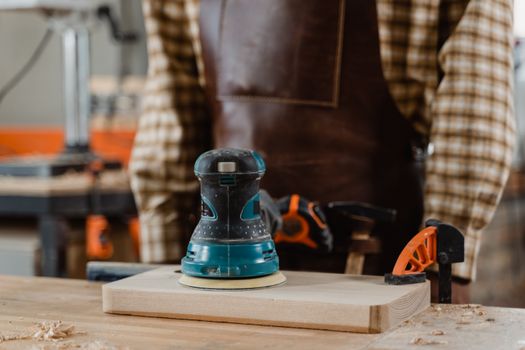
Before applying any finish, it’s essential to sand the wood to remove any rough spots and prepare the surface for a smooth finish.
- Start with a coarse grit sandpaper (80-120 grit) to shape the wood.
- Progress to finer grits (220-320 grit) for a smooth finish.
- Always sand in the direction of the grain to avoid scratches.
- After sanding, wipe down the surface with a clean cloth to remove dust.
Step 3: Apply the Finish
Once the surface is prepared, you can start applying your chosen finish.
- Using your brush or foam applicator, apply the finish evenly across the surface.
- Follow the manufacturer's instructions regarding the number of coats and drying times.
- Make sure to apply in thin layers to avoid drips and runs.
Step 4: Sand Between Coats
For a smoother finish, lightly sand the surface between coats using fine grit sandpaper (320 grit). This helps with adhesion and removes any imperfections.
Step 5: Final Coat and Curing
After the final coat, allow the finish to cure fully. This can take anywhere from a few hours to several days, depending on the type of finish used. Always refer to the product label for specific curing times.
Using Ted Woodworking for Finishing Plans
If you're looking for detailed plans that include finishing techniques, consider checking out Ted Woodworking. They offer a wide range of woodworking plans that can help guide you through the entire furniture building process, including the finishing steps.
Conclusion
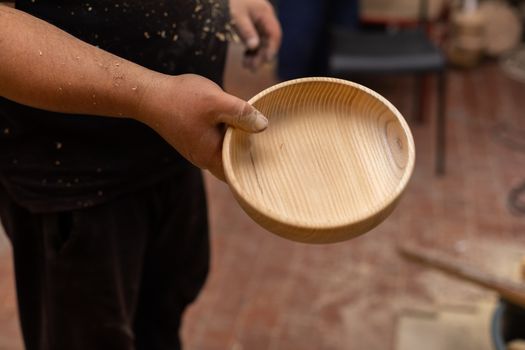
Finishing your wood projects is a vital step that enhances both their aesthetic appeal and durability. By following the simple steps outlined in this guide, you can achieve professional-looking results even as a beginner. Remember, the right finish not only protects your work but also showcases the beauty of the wood, making your projects truly stand out.
Frequently Asked Questions
- Q: How long does it take for wood finish to dry?
A: Drying times vary by finish type. Oil finishes may take longer than polyurethane. Always check the manufacturer's instructions. - Q: Can I apply finish over paint?
A: Yes, but ensure the paint is completely dry and cured before applying the finish. - Q: Do I need to sand between every coat?
A: It's recommended to sand between coats for a smoother finish, but you can skip sanding if you're applying a single coat.
📚 Related Articles
🔨 Want 16,000+ Woodworking Plans?
Get instant access to step-by-step plans with blueprints and cut lists.
Get Instant Access →