Introduction
When embarking on a DIY woodworking project, the choice of fasteners can significantly influence the quality and durability of your final piece. Among various fasteners, wood screws stand out for their versatility and strength. Understanding the different types of wood screws and their specific applications is crucial for achieving precision joinery and a professional finish. In this guide, we will delve into the various types of wood screws suitable for your DIY projects, ensuring that you set the stage for successful woodworking endeavors.
Types of Wood Screws
Wood screws are designed with specific features that cater to different woodworking needs. Here’s a breakdown of the most common types:
1. Standard Wood Screws
Standard wood screws are the most common type used in woodworking projects. They have a sharp point and coarse threads designed to grip wood effectively.
- Features: Sharp point, coarse threads, tapered head
- Applications: General construction, furniture assembly, cabinetry
2. Deck Screws
Deck screws are specially designed for outdoor use, featuring a corrosion-resistant coating. They are suitable for attaching decking boards and other outdoor structures.
- Features: Coated for corrosion resistance, often with a star or square drive
- Applications: Decking, outdoor furniture, fencing
3. Pocket Hole Screws
Pocket hole screws are used in conjunction with pocket hole joinery, providing strong connections between pieces of wood. They have a self-tapping tip and a flat head.
- Features: Self-tapping, flat head for flush finishing
- Applications: Hidden joinery, furniture construction, cabinetry
4. Lag Screws
Also known as lag bolts, lag screws are heavy-duty fasteners used for securing large pieces of wood together, such as beams or heavy furniture.
- Features: Large diameter, hex or square head
- Applications: Heavy-duty assemblies, structural applications
5. Machine Screws
Machine screws are used with nuts or tapped holes and provide strong, precise connections. They are ideal for metal-to-wood applications or where a high level of strength is needed.
- Features: Uniform diameter, available in various lengths
- Applications: Metal brackets, tools, custom projects
6. Drywall Screws
While primarily designed for drywall installation, these screws can also be used in woodworking for projects where a strong hold is required. They feature a bugle head and fine threads.
- Features: Bugle head, fine threads
- Applications: Lightweight assemblies, temporary fixtures
Choosing the Right Wood Screw
Selecting the right wood screw for your project involves considering several factors:
- Material: Choose screws made of steel, brass, or stainless steel based on the project requirements and environment.
- Coating: For outdoor projects, opt for screws with a weather-resistant coating.
- Length and Diameter: The screw length should penetrate the base material adequately, while the diameter should match the load requirements.
- Head Type: Choose between flat, round, or pan heads based on whether you want the screw to sit flush or stand proud.
Advanced Techniques for Precision Joinery
To achieve professional-quality results in your woodworking projects, consider these advanced techniques when using wood screws:
1. Pre-Drilling Holes
Pre-drilling holes helps prevent wood splitting and ensures precise screw placement. This technique is especially important for hardwoods or when working close to the edge.
2. Using Countersink Bits
Countersinking allows the screw head to sit flush with the wood surface, creating a smooth finish. Using a countersink bit will help achieve this clean look.
3. Choosing the Right Drive Type
Selecting the appropriate drive type (Phillips, slotted, square, or Torx) can improve the ease of installation and reduce the risk of stripping the screw head.
4. Clamping for Stability
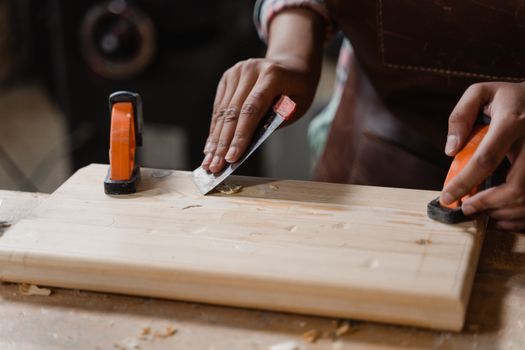
Using clamps to hold your pieces together while screwing can enhance precision and ensure that the joints are tight and secure.
Resource for Woodworking Plans
For those looking to expand their woodworking skills and find detailed plans for various projects, Ted Woodworking is a fantastic resource. With a comprehensive library of plans, you can find everything from simple furniture builds to complex cabinetry designs, allowing you to master the art of joinery and precision work.
Conclusion
Understanding the different types of wood screws and their applications is essential for every DIY woodworking enthusiast. By selecting the right screws and employing advanced techniques, you can achieve high-quality, professional finishes in your projects. Whether you are building a simple shelf or a complex piece of furniture, the right fasteners and methods will ensure your work stands the test of time.
FAQ
- What is the best type of wood screw for outdoor projects?
Deck screws are ideal for outdoor projects due to their corrosion-resistant coatings. - How do I prevent wood from splitting when using screws?
Pre-drilling holes is the best method to prevent splitting, especially in hardwoods. - Can I use drywall screws for woodworking?
While they can be used, drywall screws are not as strong as wood screws and are best for lightweight applications.
📚 Related Articles
🔨 Want 16,000+ Woodworking Plans?
Get instant access to step-by-step plans with blueprints and cut lists.
Get Instant Access →