Introduction
When you invest your time and effort into building wood projects for the outdoors, ensuring they withstand the elements is crucial. Whether it's a garden bench, a picnic table, or a birdhouse, protecting your wood is essential for durability and longevity. In this guide, we'll walk you through the best ways to protect your wood projects outdoors using simple steps and basic tools.
Understanding the Risks
Before we dive into protection methods, it's important to understand the risks that outdoor wood projects face:
- Moisture: Rain and humidity can lead to rot and mold.
- UV Rays: Sunlight can cause fading and discoloration.
- Temperature Changes: Extreme heat and cold can cause wood to expand and contract.
- Pests: Insects like termites can damage wood if not treated.
Step-by-Step Guide to Protecting Your Outdoor Wood Projects
1. Choose the Right Wood
The first step in protecting outdoor wood projects is selecting the right type of wood. Some woods are naturally more resistant to the elements:
- Cedar: Naturally resistant to moisture and insects.
- Redwood: Great for outdoor use due to its durability.
- Treated Pine: Chemically treated to resist rot and pests.
If you're using untreated wood, be prepared to take extra precautions.
2. Sand the Surface
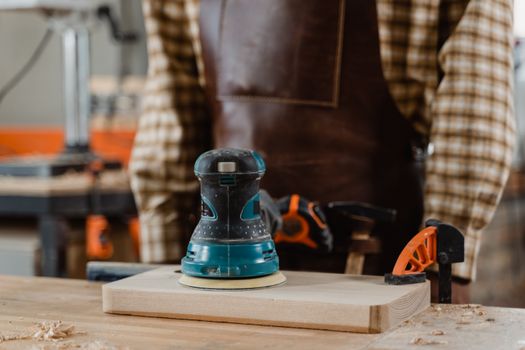
Before applying any finish, it's important to prepare the wood surface. Use sandpaper (120 to 220 grit) to smooth out any rough spots:
- Start with a coarser grit to remove rough areas.
- Finish with a finer grit for a smooth surface.
Ensure you wipe away any dust with a damp cloth before moving on to the next step.
3. Apply a Wood Preservative
Wood preservatives protect against moisture, insects, and fungi. Follow these steps:
- Select a high-quality wood preservative suitable for outdoor use.
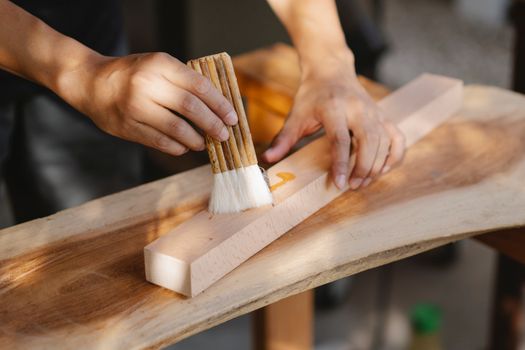
- Using a brush or roller, apply a generous amount of preservative to all surfaces of the wood.
- Allow it to soak in according to the manufacturer's instructions.
- Wipe off any excess to ensure an even coat.
Let the wood dry completely before applying any finish.
4. Choose the Right Finish
The finish you choose will greatly impact the longevity of your wood project. Here are a few common options:
- Exterior Varnish: Provides a hard protective layer and is great for high-traffic areas.
- Oil Finishes: Like tung oil or linseed oil, these penetrate the wood and provide natural protection.
- Paint: While it can be a great barrier, ensure it is specifically formulated for outdoor use.
Regardless of your choice, apply it in thin, even coats and allow each coat to dry as recommended by the manufacturer.
5. Regular Maintenance
After your wood project is finished, regular maintenance is essential to keep it protected:
- Inspect your project annually for signs of wear or damage.
- Reapply wood preservatives and finishes as needed, typically every 1-3 years.
- Clean the surface regularly to remove dirt, leaves, and debris that can trap moisture.
6. Store Properly When Not in Use
If you have furniture or projects that can be moved indoors, do so during harsh weather conditions. This can greatly extend their lifespan. If they must stay outside, consider using protective covers.
Resources for Your Projects
If you're looking for plans and ideas for your next woodworking project, Ted Woodworking offers a wealth of resources. Their comprehensive plans can help you create beautiful outdoor furniture and structures with ease.
Conclusion
Protecting your outdoor wood projects doesn't have to be complicated. By choosing the right materials, preparing the surfaces, applying suitable finishes, and maintaining your projects, you can ensure they remain beautiful and functional for years to come. Remember, a little effort in protection goes a long way in preserving your hard work!
FAQ
1. How often should I apply wood preservative to my outdoor projects?
It is recommended to apply wood preservatives every 1-3 years, depending on the climate and exposure to elements.
2. Can I use indoor finishes on outdoor projects?
No, indoor finishes are not designed to withstand outdoor conditions. Always opt for finishes specifically made for outdoor use.
3. What is the best wood for outdoor furniture?
Cedar, redwood, and treated pine are some of the best choices for outdoor projects due to their natural resistance to decay and insects.
📚 Related Articles
🔨 Want 16,000+ Woodworking Plans?
Get instant access to step-by-step plans with blueprints and cut lists.
Get Instant Access →