How to Master the Art of Wood Finishing Techniques for Beginners
Wood finishing is a crucial step in the furniture building process that not only enhances the beauty of the wood but also protects it from wear and tear. For beginners, mastering wood finishing techniques can seem daunting, but with the right knowledge and practice, it can be an enjoyable and rewarding part of your woodworking journey. In this article, we will explore essential wood finishing techniques, common mistakes to avoid, and troubleshooting tips to help you achieve a flawless finish.
Understanding Wood Finishing
Before diving into the techniques, it's essential to understand what wood finishing is. The finishing process involves applying a protective coating to wood surfaces. This can include stains, paints, sealers, and varnishes. Each type of finish has its own properties and uses, making it important to choose the right one for your project.
Common Wood Finishing Techniques
- Staining: This adds color to the wood while allowing the grain to show through. It enhances the natural beauty of the wood.
- Sealing: Sealing protects the wood from moisture and damage. Sealers can be clear or pigmented.
- Varnishing: Varnish provides a hard protective layer that can be glossy, satin, or matte. It’s ideal for high-traffic surfaces.
- Oiling: Oiling nourishes the wood and provides a natural look while offering protection from water damage.
Common Mistakes to Avoid
Even seasoned woodworkers can make mistakes during the finishing process. Here are some common pitfalls and how to avoid them:
1. Skipping Surface Preparation
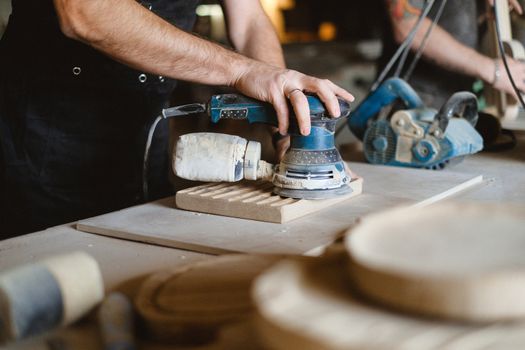
One of the most significant mistakes beginners make is neglecting surface preparation. Proper sanding and cleaning are essential for a smooth finish. Always sand the wood surface thoroughly using progressively finer grits, and ensure that dust and debris are removed before applying any finish.
2. Applying Finish Too Thickly
Beginners often think that applying a thick coat of finish will yield better results. However, this can lead to drips, runs, and uneven drying. Instead, apply multiple thin coats, allowing each one to dry completely before applying the next. This technique not only prevents issues but also builds up a beautiful finish over time.
3. Ignoring Drying Times
Each type of finish has specific drying times that should be followed. Rushing this process can lead to smudging or a tacky surface. Always refer to the manufacturer’s recommendations and be patient—good things come to those who wait!
4. Not Testing the Finish
Another common mistake is failing to test the finish on a scrap piece of wood. Testing allows you to see how the finish interacts with the wood and ensures you are happy with the final color and look. Always test before committing to your project.
Troubleshooting Tips and Fixes
Even with careful preparation, you may encounter issues. Here are some troubleshooting tips and fixes for common problems:
1. Cloudy Finish
If your finish appears cloudy, it may be due to moisture trapped under the surface. To fix this, you can gently sand the area with fine-grit sandpaper and reapply the finish, ensuring the surface is completely dry before doing so.
2. Uneven Color
Uneven staining can occur if the wood absorbs the stain inconsistently. If you notice this, you can try applying a second coat of stain to blend the colors, or you may need to sand the area again and restain it.
3. Dust and Debris in the Finish
Dust particles can settle on the finish as it dries. If you find dust in your finish, you can lightly sand the area once it’s dry and apply another coat to cover the imperfections. To minimize this, work in a clean environment and consider using a dust cover while the finish dries.
Resources for Beginners
For those looking to expand their woodworking skills and knowledge, Ted Woodworking offers a plethora of plans and resources that can guide you in your furniture-building projects. With detailed instructions and illustrations, it’s a great tool for beginners aiming to master woodworking techniques.
Conclusion
Mastering wood finishing techniques is an essential skill for any furniture builder. By avoiding common mistakes and employing troubleshooting tips, you can enhance the beauty and durability of your projects. Remember, practice makes perfect—so don’t hesitate to experiment and refine your skills.
FAQ
1. What is the best finish for outdoor furniture?
The best finish for outdoor furniture is usually a marine varnish or an exterior-grade paint, as these offer maximum protection against UV rays and moisture.
2. How do I remove a finish that I don't like?
You can remove an unwanted finish by using a chemical stripper or sanding it off carefully, depending on the type of finish and wood.
3. Can I mix different types of finishes?
It is generally not recommended to mix different types of finishes (like oil and water-based) as they can react poorly and lead to a compromised finish. Stick to one type for best results.
📚 Related Articles
🔨 Want 16,000+ Woodworking Plans?
Get instant access to step-by-step plans with blueprints and cut lists.
Get Instant Access →