Introduction to Beginner Woodworking Projects
Woodworking is a timeless craft that combines creativity with precision. For beginners, tackling the right projects can lay a strong foundation for future woodworking endeavors. In this article, we will explore some of the most popular woodworking projects for beginners, focusing on advanced techniques that emphasize joinery, precision, and achieving a professional finish.
1. Simple Shelves
Building simple shelves is an excellent starting point for beginners. Not only do they serve a functional purpose, but they also allow you to practice essential skills such as measuring, cutting, and joinery.
Joinery Techniques:
- Butt Joints: The simplest form of joinery, butt joints are easy to make and can be reinforced with screws or glue.
- Pocket Hole Joints: This technique involves drilling angled holes to create strong, hidden joints that provide a clean look.
- Floating Shelves: For a more advanced project, consider building floating shelves using cleats for hidden support.
2. Basic Coffee Table
A coffee table is a staple piece of furniture and a great project for beginners. It provides an opportunity to practice more complex joinery techniques while allowing for personal creativity in design.
Precision and Finish:
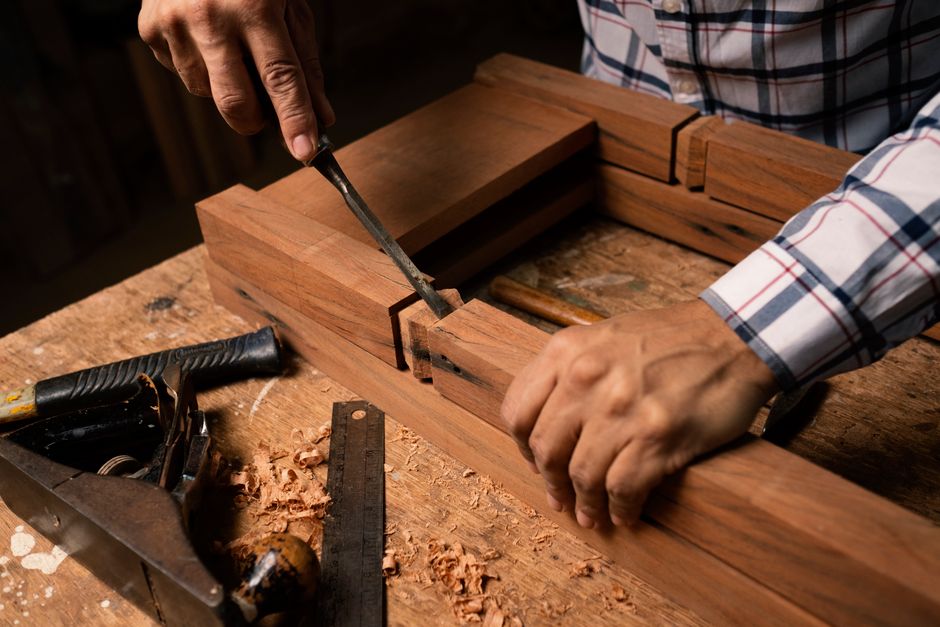
- Mortise and Tenon Joints: This classic joinery technique creates strong connections between the legs and the table top.
- Router Techniques: Use a router to create decorative edges or grooves, enhancing the visual appeal of your coffee table.
- Sanding and Finishing: Achieving a professional finish is crucial. Proper sanding and applying the right finish can elevate your project significantly.
3. Birdhouse
Building a birdhouse is not only a fun project but also a great way to learn about wood movement and weatherproofing. Birdhouses can be as simple or complex as you desire.
Joinery and Design:
- Lap Joints: These joints are perfect for creating the walls and roof of your birdhouse, providing good strength and stability.
- Design Considerations: Pay attention to ventilation and drainage to ensure the birdhouse is functional and safe for its inhabitants.
- Finishing Techniques: Use a non-toxic finish to ensure the safety of birds while ensuring the wood is protected from the elements.
4. Picture Frames
Picture frames are a fantastic project for beginners looking to hone their miter cutting skills and learn about decorative joinery.
Advanced Techniques:
- Miter Joints: Perfecting miter joints will give your frames a professional look. Use a miter saw for precise cuts.
- Joinery Reinforcement: Consider using spline joints or biscuits to reinforce the corners for added durability.
- Finishing Touches: Experiment with different stains and finishes to enhance the beauty of your frames.
5. Garden Planter Boxes
Building garden planter boxes allows beginners to work with larger pieces of wood while practicing their joinery skills. These boxes can be customized in size and shape to fit your garden.
Construction Techniques:
- Box Joints: A great way to create strong corners, box joints can be cut using a table saw or a router.
- Waterproofing: Use treated wood or apply a waterproof finish to protect the planter from moisture damage.
- Stabilizing the Base: Ensure proper drainage by adding a bottom layer of gravel or holes in the base of the planter.
Resources for Beginners
As you embark on your woodworking journey, having access to quality plans can make all the difference. One excellent resource is Ted Woodworking, which offers a wide variety of woodworking plans suitable for beginners. These plans provide detailed instructions and diagrams, making it easier for you to tackle projects with confidence.
Conclusion
Woodworking can be a deeply rewarding hobby, and starting with the right projects can set you up for success. By focusing on essential joinery techniques, precision in measurements, and finishing touches, you can create beautiful and functional pieces that you'll be proud of. Remember to take your time, practice your skills, and enjoy the process!
FAQ
1. What is the best wood for beginners to use?
Pine is a great choice for beginners due to its availability, affordability, and ease of handling. It’s also soft enough to work with basic tools.
2. How can I improve my woodworking skills?
Practice is key. Start with simple projects, gradually tackle more complex ones, and always seek to learn new techniques through books, online resources, and woodworking classes.
3. Is it necessary to have a fully equipped workshop to start woodworking?
No, you don’t need a fully equipped workshop to start woodworking. A few basic tools like a saw, drill, and measuring tools are sufficient for many beginner projects.
📚 Related Articles
🔨 Want 16,000+ Woodworking Plans?
Get instant access to step-by-step plans with blueprints and cut lists.
Get Instant Access →