Introduction
When it comes to building furniture, the strength and durability of your joints can make or break your project. Understanding which woodworking joints offer the best longevity can save you time and resources in the long run. In this article, we'll explore various woodworking joints, their strengths, and the tools you'll need to create them effectively.
Popular Woodworking Joints
There are several woodworking joints to consider, each with its own merits regarding strength and durability. Below, we’ll discuss some of the most popular joints used in furniture making.
1. Mortise and Tenon Joint
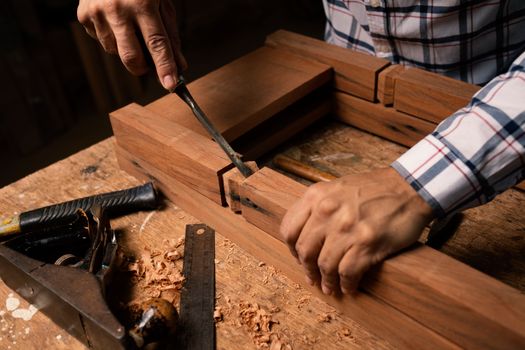
The mortise and tenon joint is one of the oldest and most robust joints used in woodworking. It consists of a mortise (a cavity cut into one piece) and a tenon (a protrusion that fits into the mortise).
- Pros: Extremely strong, allows for a tight fit, suitable for frames and tables.
- Cons: Requires precise cutting and fitting, can be time-consuming to make.
2. Dovetail Joint
Dovetail joints are often used in drawer construction and fine cabinetry. They feature interlocking tails and pins that provide mechanical strength.
- Pros: Very strong, visually appealing, provides resistance to pulling apart.
- Cons: Requires skill and precision, can be difficult for beginners.
3. Box Joint
Similar to dovetail joints, box joints consist of interlocking fingers. They are easier to cut and can be just as strong.
- Pros: Easier to create than dovetail joints, provides good strength, suitable for boxes and drawers.
- Cons: Less visually appealing than dovetails, may require additional reinforcement.
4. Biscuit Joint
Biscuit joints use oval-shaped wooden pieces (biscuits) that fit into slots cut into both pieces of wood. When glued, they create a strong bond.
- Pros: Quick and easy to assemble, great for aligning edges, suitable for panel glue-ups.
- Cons: Not as strong as other joints, relies heavily on glue for strength.
5. Pocket Hole Joint
Pocket hole joints involve drilling an angled hole into one piece of wood to screw into another. They are commonly used in furniture assembly.
- Pros: Fast and easy to create, requires minimal tools, provides decent strength.
- Cons: Not as aesthetically pleasing, may not be suitable for fine furniture.
Essential Tools for Creating Strong Joints
Creating robust woodworking joints requires specific tools. Below, we review some essential tools that will help you achieve strength and durability in your furniture projects.
1. Mortiser
A mortiser is a dedicated tool for cutting mortises. It can significantly speed up the process of creating mortise and tenon joints.
- Pros: Provides precise cuts, saves time, ideal for repetitive tasks.
- Cons: Can be expensive, may require additional setup time.
2. Dovetail Jig
A dovetail jig allows you to create perfect dovetail joints with ease. This tool is essential for those who want to incorporate dovetails into their projects.
- Pros: Simplifies the dovetail cutting process, offers repeatability, great for beginners.
- Cons: Can be bulky, requires practice to master.
3. Biscuit Joiner
A biscuit joiner cuts slots for biscuits, making it an invaluable tool for creating biscuit joints.
- Pros: Fast assembly, great for edge alignment, user-friendly.
- Cons: Limited to edges and panels, may not be suitable for all joints.
4. Pocket Hole Jig
A pocket hole jig allows you to drill angled holes for screws, making it simple to create pocket hole joints.
- Pros: Quick and easy to use, perfect for beginners, versatile for various projects.
- Cons: Joints can be visible, may not offer the same strength as traditional joints.
Using Plans for Guidance
If you're looking for plans to help you get started with these joints and their respective projects, consider resources like Ted Woodworking. They offer a vast array of plans that can guide you through the process of creating strong, durable furniture.
Conclusion
Choosing the right woodworking joints is crucial for ensuring the strength and durability of your furniture. Whether you opt for a classic mortise and tenon joint or a more modern pocket hole joint, understanding the properties of each will help you make informed decisions. Equip yourself with the right tools, and you’ll be well on your way to creating beautiful, long-lasting furniture.
FAQ
1. What is the strongest woodworking joint?
The mortise and tenon joint is often considered the strongest due to its interlocking design, providing a tight and durable fit.
2. Are pocket hole joints strong enough for furniture?
While pocket hole joints provide decent strength for furniture, they may not be as robust as traditional joints like mortise and tenon or dovetail joints.
3. Can I create strong joints without specialized tools?
Yes, many strong joints can be created with basic hand tools, though specialized tools can significantly improve precision and ease of use.
📚 Related Articles
🔨 Want 16,000+ Woodworking Plans?
Get instant access to step-by-step plans with blueprints and cut lists.
Get Instant Access →