Introduction
When it comes to finishing wood furniture, the options can seem endless. Among the variety of finishes available, natural oils have gained popularity for their eco-friendliness and ease of use. But should you consider them as a safe wood finish option? In this article, we will explore the pros and cons of natural oils, the tools you will need, and provide guidance on how to apply them effectively.
What are Natural Oils?
Natural oils are derived from plants and are used as wood finishes to enhance the beauty of the wood while providing a protective layer. Common types of natural oils include:
- Tung Oil: Extracted from the seeds of the tung tree, it provides a hard, water-resistant finish.
- Linseed Oil: Made from flax seeds, it nourishes the wood and can take a long time to dry.
- Walnut Oil: A food-safe option that is ideal for kitchen items and provides a natural sheen.
- Teak Oil: Often used on outdoor furniture, it helps protect against moisture and UV rays.
Benefits of Using Natural Oils
Natural oils offer several advantages as wood finishes:
- Eco-Friendly: Being derived from natural sources, these oils are less harmful to the environment compared to synthetic finishes.
- Easy Application: Most natural oils can be applied with minimal tools and require less preparation than some other finishes.
- Enhances Wood Grain: Natural oils penetrate the wood, enhancing its grain and color without covering it up.
- Food-Safe Options: Certain oils, like walnut and linseed, are safe for food-contact surfaces, making them ideal for kitchenware.
Drawbacks of Natural Oils
Despite their benefits, there are some drawbacks to consider:
- Long Drying Times: Oils like linseed can take a significant amount of time to dry, which may delay your project.
- Maintenance Required: Natural oil finishes may need to be reapplied more frequently than synthetic options.
- Limited Protection: While they offer a degree of protection, they may not stand up to heavy wear and tear as well as some synthetic finishes.
Essential Tools for Applying Natural Oils
If you decide to use natural oils for your woodworking projects, having the right tools is essential for achieving the best results. Here are some tools you will need along with their pros and cons:
1. Natural Bristle Brush
Pros:
- Excellent for spreading oil evenly.
- Can reach into crevices and corners better than synthetic brushes.
Cons:
- Can be more expensive than synthetic brushes.
- Requires more care to clean and maintain.
2. Lint-Free Cloths
Pros:
- Ideal for wiping off excess oil and preventing streaks.
- Reusable, making them cost-effective.
Cons:
- Need to be replaced when they become worn out.
- Not all cloths are truly lint-free, so choose wisely.
3. Applicator Pads
Pros:
- Great for applying oil evenly over large surfaces.
- Available in various sizes for different projects.
Cons:
- Can absorb a lot of oil, leading to waste.
- Not as effective for detailed work.
4. Sandpaper
Pros:
- Essential for preparing the wood surface before oil application.
- Available in various grits for different finishing stages.
Cons:
- Can leave scratches if not used correctly.
- Requires multiple grits for best results.
Applying Natural Oils: Step-by-Step Guide
Once you have gathered your tools, follow these steps to apply natural oils effectively:
- Prepare the wood surface by sanding it to a smooth finish with fine-grit sandpaper.
- Clean the surface thoroughly to remove dust and debris.
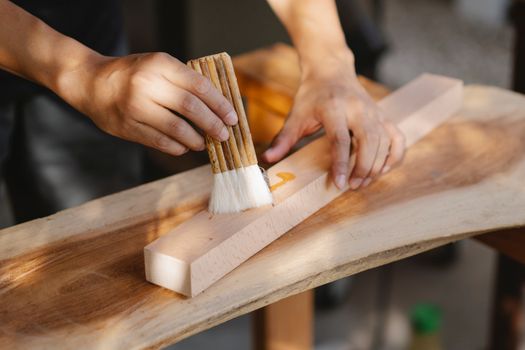
- Using a natural bristle brush or applicator pad, apply the oil generously in the direction of the wood grain.
- Allow the oil to penetrate for 15-30 minutes, then wipe off any excess with a lint-free cloth.
- Let the finish dry according to the manufacturer's instructions, usually 24 hours.
- Repeat the application process for additional coats if desired, allowing adequate drying time between each coat.
Where to Find Quality Plans for Wood Projects
For those looking to explore woodworking further, Ted Woodworking offers a comprehensive collection of plans. These plans can help guide you through various projects, ensuring you have the right dimensions and techniques to create beautiful furniture pieces.
Conclusion
Natural oils can be a safe and effective wood finish option, especially for those who prioritize eco-friendliness and aesthetics. With the right tools and techniques, you can achieve a beautiful, durable finish that enhances your woodworking projects.
FAQ
1. Are natural oils food safe?
Yes, oils such as walnut and linseed oil are considered food-safe and can be used on kitchen items.
2. How often do I need to reapply natural oil finishes?
It depends on the use and exposure of the item, but typically every 6 months to a year is recommended for maintenance.
3. Can I mix different natural oils?
Yes, you can mix different natural oils, but be sure to test the mixture on a small area first to ensure compatibility and desired results.
📚 Related Articles
🔨 Want 16,000+ Woodworking Plans?
Get instant access to step-by-step plans with blueprints and cut lists.
Get Instant Access →