When to Choose a Natural Finish Over a Synthetic One?
Wood finishing is one of the most critical aspects of any woodworking project. The finish not only enhances the appearance of your piece but also protects it from wear and tear. When deciding on a finish, woodworkers often grapple with the choice between natural and synthetic finishes. Each type has its merits, and understanding when to use one over the other can significantly affect the outcome of your project.
Understanding Natural Finishes
Natural finishes are derived from organic materials and typically include oils, waxes, and resins. Common examples include linseed oil, tung oil, and beeswax. These finishes are often favored for their environmentally friendly properties and the rich, warm appearance they impart to wood.
Advantages of Natural Finishes
- Eco-Friendly: Natural finishes are biodegradable and free from harmful chemicals, making them a safer choice for both the environment and your health.
- Enhanced Wood Grain: These finishes penetrate the wood, enhancing its natural grain and beauty without hiding it.
- Repairable: If a natural finish gets damaged, it can often be repaired by simply applying more oil or wax, rather than needing complete removal.
- Breathability: Natural finishes allow the wood to breathe, which is especially important for projects like wooden furniture that may expand and contract with humidity changes.
Disadvantages of Natural Finishes
- Durability: While natural finishes can protect wood, they are generally less durable than synthetic options and may require more frequent reapplication.
- Drying Time: Natural finishes often have longer drying times, which can slow down your project.
- Application Skills Required: Achieving a professional-looking finish with oils and waxes can require more skill and practice compared to synthetic options.
Understanding Synthetic Finishes
Synthetic finishes, on the other hand, are made from chemical compounds and include products like polyurethane, lacquer, and varnish. These finishes are designed to provide a durable protective layer over wood surfaces.
Advantages of Synthetic Finishes
- Durability: Synthetic finishes are often more durable and resistant to scratches, water, and UV rays than natural finishes.
- Quick Drying: Many synthetic options dry quickly, allowing you to complete your project in a shorter time frame.
- Variety of Sheens: Synthetic finishes come in a wide range of sheens, from matte to high gloss, giving you more options for the final look of your piece.
- Consistency: Synthetic finishes provide a more consistent appearance, which can be beneficial for larger projects or mass production.
Disadvantages of Synthetic Finishes
- Health Concerns: Many synthetic finishes contain volatile organic compounds (VOCs) that can be harmful to your health if proper precautions are not taken.
- Less Breathability: Synthetic finishes can create a barrier that traps moisture, potentially leading to wood damage over time.
- Less Natural Appearance: While synthetic finishes can enhance the wood, they may also mask its natural beauty compared to natural finishes.
When to Choose a Natural Finish
Natural finishes are ideal for projects where aesthetics and environmental impact are priorities. If you are building a piece of furniture that will be used indoors, such as a dining table or a sideboard, consider using a natural finish for its beauty and ease of repair. Additionally, if you are working with exotic woods or highly figured grain, a natural finish will enhance the visual appeal without covering it up.
Recommended Tools for Natural Finishes
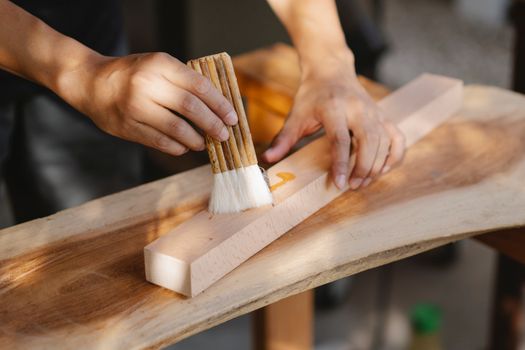
- Brushes: Use high-quality natural bristle brushes for applying oils and waxes. They provide a smooth application but require cleaning and maintenance.
- Rags: Soft, lint-free rags are essential for applying and buffing natural finishes. They are inexpensive but need to be changed frequently to avoid streaking.
- Heat Gun: A heat gun can be helpful for warming oils to improve penetration and drying times, but it requires careful handling to avoid damaging the wood.
When to Choose a Synthetic Finish
Synthetic finishes are best suited for high-use items or outdoor furniture where durability is a must. If you are creating a piece that will be exposed to moisture or heavy wear, such as a coffee table or patio furniture, a synthetic finish will provide the protection needed. Additionally, if you are working on a tight schedule, synthetic finishes will allow you to finish your project more quickly.
Recommended Tools for Synthetic Finishes
- Spray Gun: A spray gun offers a smooth and even application of synthetic finishes, but requires practice to master.
- Foam Applicators: These applicators provide a smooth finish and are disposable, making cleanup easy.
- Sandpaper: High-grit sandpaper is essential for preparing the surface before applying synthetic finishes.
Conclusion
Choosing between natural and synthetic finishes ultimately depends on your project’s requirements and your personal preferences. Both finishing types have their pros and cons, and understanding these can help you make the best choice for your woodworking endeavors. For more detailed plans and guidance on finishes, consider exploring resources like Ted Woodworking.
FAQ
- Can I mix natural and synthetic finishes? Mixing finishes is generally not recommended as they may not adhere properly to one another, leading to peeling or flaking.
- How do I know which finish is best for my project? Consider the intended use of the piece, exposure to elements, and your desired aesthetic when choosing a finish.
- Are natural finishes safe for food contact surfaces? Many natural finishes, like tung oil, are food-safe once fully cured, making them suitable for kitchen items.
🔨 Want 16,000+ Woodworking Plans?
Get instant access to step-by-step plans with blueprints and cut lists.
Get Instant Access →