Can I Start Woodworking Without a Garage or Workshop?
Woodworking is a fulfilling hobby and a practical skill that many aspire to learn. However, one common concern for beginners is whether they can pursue woodworking without a dedicated garage or workshop space. The good news is that you can absolutely start woodworking in a small apartment or even a shared space! All it takes is some creativity, the right tools, and a commitment to learning.
Assessing Your Space
Before diving into woodworking, take a moment to assess your available space. Here are some questions to consider:
- How much space do you have available for tools and projects?
- What kind of projects are you interested in building?
- Do you have access to outdoor areas like a balcony or patio?
Understanding your space will help you determine what kind of projects you can realistically undertake.
Essential Tools for Small Spaces
When working in limited spaces, it’s crucial to choose tools that are compact, versatile, and easy to store. Here’s a list of essential tools that will aid you in your woodworking journey:
1. Hand Tools
Hand tools are a great starting point for woodworking in smaller areas. They require minimal storage and can be easily used on a table or even a large workbench.
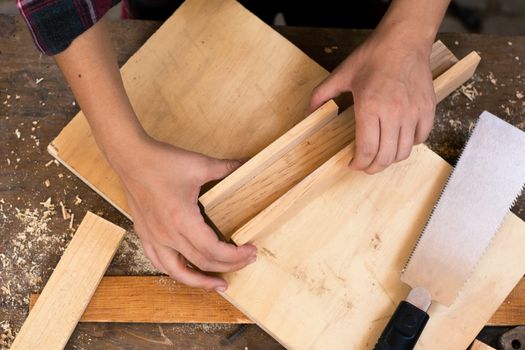
- Hand Saw: A small, good-quality hand saw can serve multiple purposes. Pros: No electricity needed, portable. Cons: More physical effort required compared to power saws.
- Chisels: Essential for detailing work and joinery. Pros: Versatile, easy to sharpen. Cons: Requires some skill to use effectively.
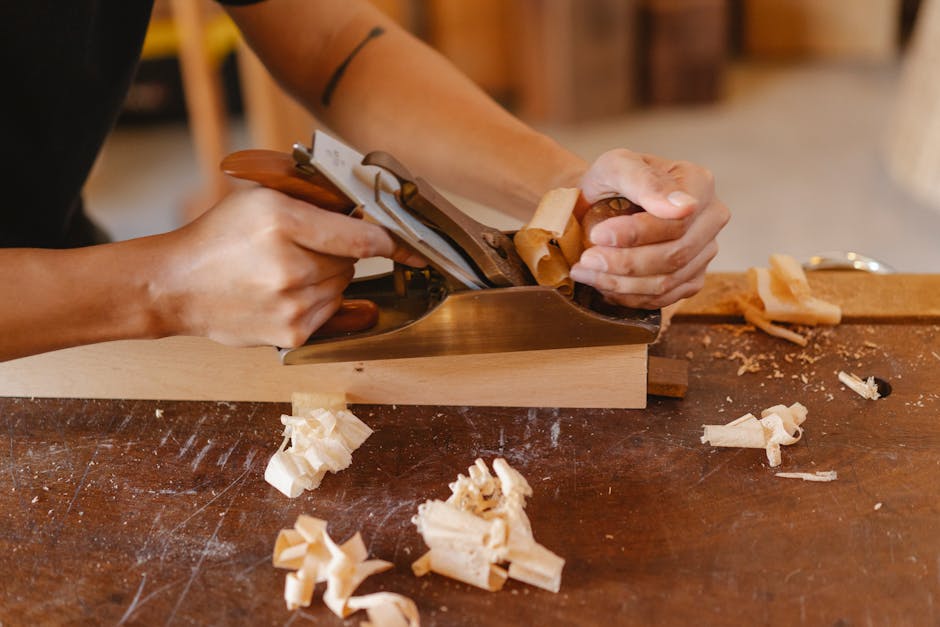
- Hand Plane: Perfect for smoothing surfaces and shaping wood. Pros: Quiet, good for fine work. Cons: Learning curve for proper use.
2. Compact Power Tools
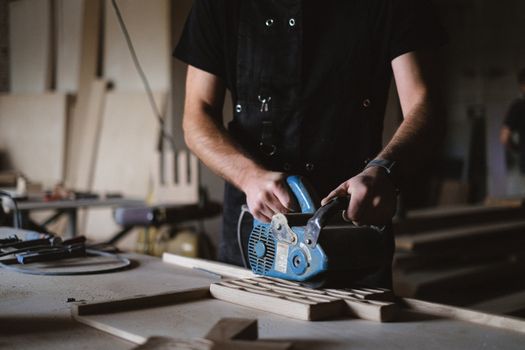
If you're willing to invest a little more, compact power tools can greatly enhance your woodworking capabilities.
- Cordless Drill: A must-have for drilling holes and driving screws. Pros: Portable, versatile, can be used in tight spaces. Cons: Battery life can be limiting.
- Compact Router: Great for edge treatments and decorative cuts. Pros: Small size, very versatile. Cons: Can be tricky for beginners; requires practice.
- Jigsaw: Ideal for making intricate cuts and curves. Pros: Lightweight, easy to handle. Cons: Less power compared to larger saws; limited to thinner materials.
3. Work Surface
Having a dedicated work surface is vital, even if it’s just a small table.
- Folding Workbench: A portable option that can be set up and taken down easily. Pros: Space-saving, lightweight. Cons: May not be as sturdy as a traditional workbench.
- Workmate or Portable Vise: These provide stability for your projects. Pros: Multi-functional, portable. Cons: Limited clamping capacity.
Project Ideas for Small Spaces
With the right tools in hand, consider starting with smaller projects that are manageable in your available space. Here are some beginner-friendly ideas:
- Simple Shelving Units: Great for storage and organization.
- Picture Frames: Easy to customize and a fun way to practice cutting and joining.
- Birdhouses: A perfect project that doesn't take up much space and is enjoyable to build.
- Small Tables or Stools: Functional pieces that enhance your living area.
As you gain confidence, you can gradually take on larger projects. For detailed plans and step-by-step instructions, consider checking out Ted Woodworking, which offers a vast array of project plans suitable for all skill levels.
Tips for Woodworking in a Limited Space
Here are some additional tips to make your woodworking journey successful in a small space:
- Organize Your Tools: Use pegboards, toolboxes, or wall-mounted shelves to keep your tools accessible and tidy.
- Plan Your Projects: Before starting, always sketch out your project and list the required materials to minimize waste.
- Maximize Vertical Space: Use wall-mounted storage solutions to keep your workspace clear.
Conclusion
Starting woodworking without a garage or workshop is entirely feasible with the right approach and tools. By focusing on hand tools and compact power tools, you can create a productive workspace in smaller areas. With creativity and determination, you’ll be crafting beautiful pieces in no time!
FAQ
- Can I do woodworking in an apartment? Yes! Many woodworking projects can be completed in apartments with the right tools and planning.
- What is the best first project for a beginner? Start with simple projects like a birdhouse or picture frame to build confidence and skills.
- Are hand tools better than power tools for beginners? Hand tools can be a great way to learn fundamentals, but power tools can save time and effort as you progress.
📚 Related Articles
🔨 Want 16,000+ Woodworking Plans?
Get instant access to step-by-step plans with blueprints and cut lists.
Get Instant Access →