Introduction
When constructing furniture, the strength and durability of the joints you use are paramount to the overall success of your project. Joinery methods play a crucial role in ensuring that the pieces fit together seamlessly while maintaining structural integrity. Whether you're a seasoned woodworker or a DIY enthusiast, understanding the different joinery techniques available will elevate your furniture-making skills and produce a professional finish.
Understanding Joinery
Joinery refers to the techniques used to connect different pieces of wood together. The choice of joinery method can significantly affect the strength, appearance, and longevity of your furniture. Below, we will delve into some of the strongest joinery methods that you can incorporate into your DIY furniture projects.
1. Mortise and Tenon Joint
The mortise and tenon joint is one of the oldest and most reliable methods of joinery, used for centuries in high-quality furniture construction. This joint consists of a mortise hole cut into one piece of wood and a tenon, a protruding piece, that fits snugly into the mortise.
- Strength: This joint provides exceptional strength because the tenon is glued into the mortise, creating a large surface area for adhesion.
- Applications: Ideal for frame structures, tables, and chairs.
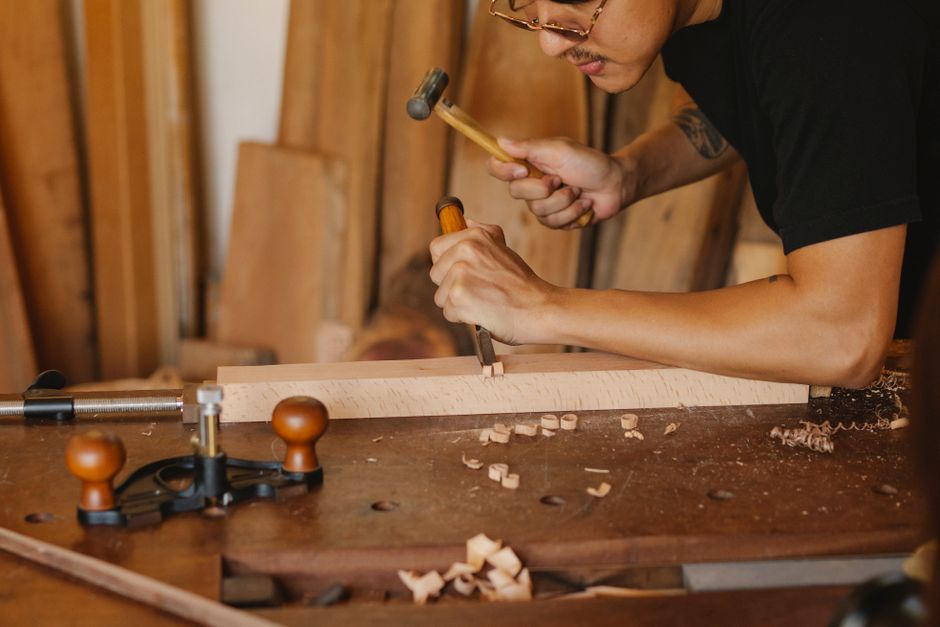
To achieve a professional finish, ensure that the mortise and tenon are precisely cut for a tight fit. This can be accomplished using a chisel and mallet or a dedicated mortising machine.
2. Dovetail Joint
Dovetail joints are highly regarded for their aesthetic appeal and strength. They are commonly used in drawer construction and for joining corners.
- Strength: The interlocking shape of the dovetail makes it difficult to pull apart, even without glue.
- Applications: Drawers, cabinets, and decorative boxes.
To create dovetail joints, precision is key. Using a dovetail saw, you can achieve clean cuts that fit tightly together. For a professional finish, consider using a router with a dovetail bit for consistency.
3. Box Joint
Also known as finger joints, box joints are another strong and visually appealing joinery method. This joint consists of a series of interlocking fingers that fit together to form a strong, right-angle connection.
- Strength: They provide excellent resistance to lateral forces.
- Applications: Suitable for drawers, boxes, and case construction.
Creating box joints can be done using a table saw with a dado blade or a specialized box joint jig. The resulting joint has a clean and modern look, making it perfect for showing off in your furniture.
4. Biscuit Joint
Biscuit joints involve the use of oval-shaped wooden biscuits that fit into corresponding slots cut into the joining pieces of wood. This method is particularly useful for aligning edges of plywood or solid wood.
- Strength: While not as strong as the mortise and tenon or dovetail, biscuit joints can add considerable strength and alignment to a joint.
- Applications: Ideal for panels, tabletops, and edge-joining wood.
To create a biscuit joint, you will need a biscuit joiner, which makes the process quick and easy. For a refined finish, ensure that the biscuits are flush with the surface of the wood.
5. Pocket Hole Joinery
Pocket hole joinery is a modern method that involves drilling angled holes into one piece of wood and connecting it to another with screws. This technique is popular among DIYers for its simplicity and speed.
- Strength: When done correctly, pocket holes can provide a sturdy connection, although they may not be as strong as traditional methods.
- Applications: Great for face frames, cabinetry, and quick assembly projects.
Using a pocket hole jig allows for precise drilling and creates a hidden joint, contributing to a cleaner appearance in your finished piece.
Choosing the Right Joinery Method
When deciding which joinery method to use, consider the following factors:
- Project Type: The type of furniture you are building will often dictate the best joinery method. For example, structural joints need more strength than decorative ones.
- Skill Level: Some methods require more skill and tools than others. Choose a method that matches your expertise.
- Aesthetic Preference: Different joints offer unique visual characteristics. Choose one that complements your design.
For detailed plans and step-by-step instructions on various joinery methods, consider checking out resources like Ted Woodworking, which offers extensive woodworking plans that can help you refine your skills.
Conclusion
Ultimately, the strongest joinery method for your DIY furniture construction will depend on the specific requirements of your project. By mastering these advanced techniques, you can create furniture that not only looks professional but also stands the test of time. Whether you opt for traditional methods like mortise and tenon or modern approaches like pocket holes, precision and attention to detail will ensure a successful build.
FAQ
- What is the strongest joinery method for furniture? The mortise and tenon joint is generally considered one of the strongest methods due to its large surface area for adhesion.
- Can I use a biscuit joint for heavy furniture? Biscuit joints are best for alignment and moderate strength. For heavy furniture, consider using more robust joinery methods like mortise and tenon or dovetail joints.
- Are pocket hole joints strong enough for structural support? While pocket hole joints are strong for light to moderate applications, they may not be suitable for heavy structural support compared to traditional joinery methods.
📚 Related Articles
🔨 Want 16,000+ Woodworking Plans?
Get instant access to step-by-step plans with blueprints and cut lists.
Get Instant Access →