Introduction
Creating furniture from scratch can be one of the most rewarding aspects of woodworking. Whether you're a beginner or an experienced craftsman, mastering essential woodworking techniques is crucial for building functional and beautiful pieces. In this article, we’ll explore key techniques you should master, along with recommended tools to facilitate your journey into furniture making.
Essential Woodworking Techniques
1. Joinery
Joinery is the technique of connecting two pieces of wood together. Mastering various joinery techniques will greatly enhance the strength and aesthetics of your furniture.
- Types of Joinery:
- Mortise and Tenon: This traditional method is incredibly strong and is used in many types of furniture. It involves a hole (mortise) in one piece and a tongue (tenon) on another that fits into it.
- Dovetail Joints: Known for their durability and beauty, dovetail joints are commonly used in drawer construction.
- Pocket Hole Joinery: A simpler method that involves drilling angled holes to connect pieces with screws. Great for beginners!
2. Cutting Techniques
Precise cutting is fundamental in woodworking. Whether you're cutting boards to size or creating intricate designs, having the right tools is essential.
- Table Saw: A versatile tool that provides straight cuts with high accuracy. Great for ripping lumber and making crosscuts.
- Pros: High precision, speed, and efficiency.
- Cons: Can be dangerous if not used properly; requires safety gear.
- Band Saw: Perfect for curvy cuts and resawing lumber. It allows for greater versatility in furniture design.
- Pros: Capable of intricate cuts; safer than a table saw.
- Cons: Limited to the height of the blade; can be pricey.
- Miter Saw: Ideal for making angled cuts, particularly useful for frames and molding.
- Pros: Easy to use; produces clean, accurate cuts.
- Cons: Limited to crosscuts and miter cuts only.
3. Sanding and Finishing
Proper sanding and finishing techniques can make or break your furniture project. The right finish enhances the wood's natural beauty and protects it from damage.
- Orbital Sander: A must-have tool for achieving a smooth surface on your furniture pieces.
- Pros: Fast and effective; easy to handle.
- Cons: Can create swirl marks if not used correctly.
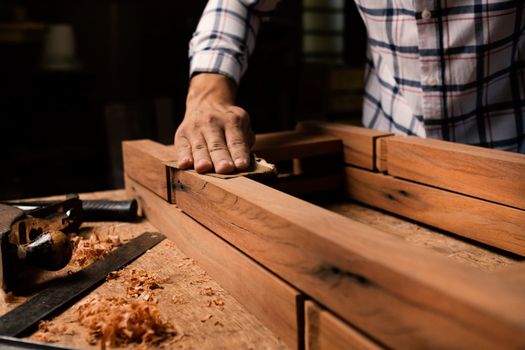
- Hand Sanding: While it takes more time, hand sanding allows for better control, especially in intricate areas.
- Pros: Great control; no power source needed.
- Cons: Time-consuming; labor-intensive.
- Finishing Techniques: Techniques such as staining, varnishing, or oiling can add character to your furniture.
- Pros: Enhances appearance; protects wood.
- Cons: Requires practice; can be messy.
4. Wood Selection
Choosing the right wood is essential for both the structure and aesthetics of your furniture. Different woods have varying grain patterns, colors, and durability.
- Hardwoods: Oak, maple, and walnut are popular choices for their durability and beauty.
- Softwoods: Pine and cedar are lighter and easier to work with, making them suitable for beginners.
Tools for Mastering Woodworking Techniques
Here’s a rundown of some specific tools that can help you master the techniques discussed above.
- Router: Used for hollowing out wood, shaping edges, and creating decorative profiles.
- Pros: Versatile; can create a variety of profiles.
- Cons: Can be intimidating for beginners; requires practice.
- Clamps: Essential for holding pieces together while the glue dries or during assembly.
- Pros: Inexpensive and come in various sizes.
- Cons: Can be cumbersome if you have many pieces to clamp.
- Drill Press: Provides precision drilling for holes of various sizes and depths.
- Pros: Accurate; repeatable holes.
- Cons: Takes up space; more expensive than a handheld drill.
Learning Resources
If you are looking for detailed plans and tutorials, consider checking out resources like Ted Woodworking. They offer a comprehensive library of furniture plans that can guide you through your projects efficiently.
Conclusion
By mastering these key woodworking techniques and investing in the right tools, you'll be well on your way to creating stunning furniture pieces that showcase your craftsmanship. Start small, practice regularly, and enjoy the process of bringing your ideas to life!
FAQ
What is the best type of wood for furniture making?
Hardwoods like oak, walnut, and maple are often preferred for their durability and aesthetic appeal, while softwoods like pine are good for beginners due to their workability.
How can I improve my joinery skills?
Practice is key! Start with simple joints and gradually progress to more complex ones. Using jigs can also help improve accuracy.
What finishing technique is best for beginners?
Starting with a wood finish like polyurethane can be effective, as it is forgiving and provides a durable protective layer. Always practice on scrap wood first!
📚 Related Articles
🔨 Want 16,000+ Woodworking Plans?
Get instant access to step-by-step plans with blueprints and cut lists.
Get Instant Access →