Introduction
As the world becomes more conscious of environmental issues, sustainable furniture making is gaining traction. Choosing eco-friendly woods is a fundamental aspect of this movement. In this article, we will delve into some of the top eco-friendly woods you can use for sustainable furniture making and discuss the essential tools you’ll need to bring your projects to life.
Top Eco-Friendly Woods
When selecting wood for your furniture projects, consider the following sustainable options:
- Bamboo
Bamboo is technically a grass, but it is one of the most sustainable materials available. It grows rapidly, reaching maturity in just 3-5 years. Its strength and versatility make it suitable for various furniture types. However, it can be challenging to find high-quality bamboo that hasn't been treated with harmful chemicals.
- Cork
Cork is harvested from the bark of cork oak trees without harming the tree itself, allowing it to regenerate. This renewable resource is lightweight and water-resistant, making it ideal for unique furniture designs. On the downside, cork may not be as durable as traditional hardwoods.
- Reclaimed Wood
Using reclaimed wood helps reduce waste by repurposing old materials, giving new life to wood that might otherwise end up in a landfill. It adds character and history to your projects. However, sourcing high-quality reclaimed wood can be a bit more time-consuming.
- FSC-Certified Hardwoods
Forest Stewardship Council (FSC) certification guarantees that the wood comes from responsibly managed forests. Popular options include cherry, maple, and oak. The downside is that these woods can be more expensive than non-certified alternatives.
- Plywood from Sustainable Sources
Plywood can be a great eco-friendly option if sourced from sustainable forests. It is stable, versatile, and can be used in various furniture projects. However, ensure that the adhesives used in plywood manufacture are also eco-friendly, as some can emit harmful VOCs.
Essential Tools for Furniture Making
To work with these eco-friendly woods effectively, you'll need the right tools. Here’s a review of some essential woodworking tools with their pros and cons:
1. Table Saw
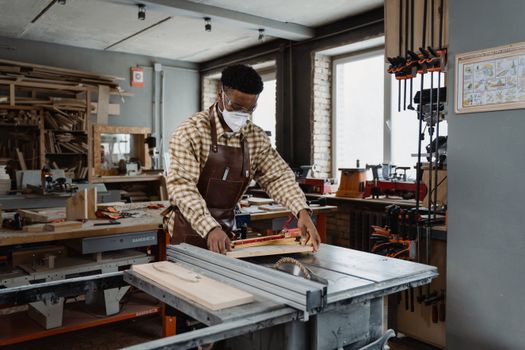
A table saw is indispensable for making accurate cuts, especially with hardwoods.
- Pros:
- Highly accurate and versatile for different cuts.
- Can handle large sheets of plywood and hardwoods.
- Cons:
- Can be expensive and requires space in your workshop.
- Safety risks if not used properly.
2. Jigsaw
A jigsaw is perfect for making intricate cuts and curves in thinner woods like bamboo and cork.
- Pros:
- Lightweight and portable.
- Ideal for detailed cuts and designs.
- Cons:
- Less accurate than a table saw for straight cuts.
- May struggle with thicker materials.
3. Router
A router allows you to shape edges and create decorative profiles on your furniture pieces.
- Pros:
- Versatile for various applications including edge treatments and joinery.
- Can create intricate designs quickly.
- Cons:
- Can be complex to use for beginners.
- Requires different bits for different applications, which can add to costs.
4. Sanding Equipment
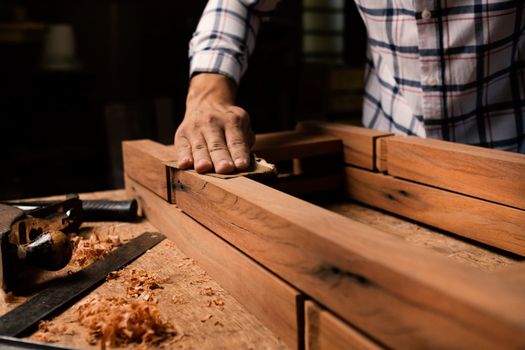
Proper sanding is crucial for finishing your projects, especially when working with reclaimed wood to avoid splinters.
- Pros:
- Provides a smooth finish, crucial for aesthetics.
- Hand sanders are portable and easy to store.
- Cons:
- Can be labor-intensive and time-consuming.
- Electric sanders can be costly.
5. Drill and Driver
A drill is essential for creating holes and driving screws in your furniture projects.
- Pros:
- Highly versatile for various applications.
- Battery-operated models provide portability.
- Cons:
- Can be heavy and cause fatigue during prolonged use.
- Cheaper models may lack the power needed for tougher materials.
Resources for Your Projects
If you're looking for furniture plans that align with your sustainable woodworking goals, Ted Woodworking offers a variety of projects that incorporate eco-friendly woods. Their plans are detailed and user-friendly, making them a great resource for both beginners and seasoned woodworkers.
Conclusion
Choosing the right eco-friendly wood and tools is essential for creating sustainable furniture. By opting for materials like bamboo, reclaimed wood, and FSC-certified hardwoods, you contribute positively to the environment while crafting beautiful pieces. Armed with the right tools and resources, you can embark on your sustainable woodworking journey with confidence.
FAQ
- What is the most sustainable wood for furniture making?
Bamboo is often considered the most sustainable wood due to its rapid growth and minimal environmental impact.
- How can I ensure the wood I buy is eco-friendly?
Look for certifications like FSC (Forest Stewardship Council) and purchase reclaimed wood from reputable sources.
- Are eco-friendly woods more expensive?
While some eco-friendly woods can be more expensive, reclaimed wood can often be sourced at lower prices.
📚 Related Articles
🔨 Want 16,000+ Woodworking Plans?
Get instant access to step-by-step plans with blueprints and cut lists.
Get Instant Access →