Introduction
Embarking on your first outdoor wood project can be an exciting yet daunting experience. As you venture into the world of woodworking, it’s essential to consider various factors to ensure your project is successful and enjoyable. In this article, we’ll explore common mistakes to avoid, along with troubleshooting tips that will help you design a beautiful and functional outdoor piece.
1. Understand Your Space
Before you start sketching out designs, take the time to understand the space where your project will reside. Consider the following:
- Available Area: Measure the space to determine how large your project can be. A piece that is too big may overwhelm the area, while one that is too small might get lost.
- Sunlight Exposure: Determine how much sunlight the area receives. This will influence the materials you select. For instance, some woods may warp or fade more quickly in direct sunlight.
- Access and Flow: Ensure that your project does not obstruct pathways or access points. Think about how people will move around and interact with your furniture.
2. Choose the Right Materials
The materials you select are crucial for the durability and aesthetics of your outdoor project. Here are some common mistakes to avoid:
- Using Untreated Wood: Outdoor furniture must withstand the elements. Avoid using untreated wood unless you plan to treat it. Instead, opt for naturally rot-resistant woods like cedar or redwood, or use pressure-treated lumber.
- Ignoring Weather Conditions: Consider your local climate when selecting wood. High humidity can lead to swelling, while dry conditions can cause cracking. Choose materials that are suitable for your area’s weather patterns.
- Overlooking Finishes: A good finish can protect your wood from UV rays and moisture. Don’t skip this step; use high-quality outdoor finishes or stains designed for outdoor use.
3. Design for Functionality
Your outdoor furniture should not only look good but also serve its intended purpose effectively. Here are some design tips:
- Comfort: If you’re building seating, consider ergonomics. Test out your design by sitting on mock-ups or using cushions to ensure comfort.
- Stability: Ensure that your design is stable and can withstand outdoor conditions, such as wind. For example, larger tables may require additional support beams.
- Versatility: Think about how your furniture can be used. For instance, a table with an extendable feature can accommodate more guests when needed.
4. Tools and Equipment
Having the right tools is essential for any woodworking project. Beginners often make the mistake of using inadequate tools, which can lead to poor results. Consider the following:
- Quality over Quantity: Invest in a few high-quality tools rather than a wide array of cheaper options. Essential tools include a saw, drill, sander, and measuring tools.
- Safety Gear: Don’t forget to wear safety goggles, ear protection, and a dust mask. Safety should be your top priority.
- Plan Your Cuts: Before you start cutting, plan your cuts carefully to minimize waste and ensure accuracy. Use a saw guide for straight cuts.
5. Create a Detailed Plan
One of the biggest mistakes beginners make is jumping into a project without a detailed plan. A well-documented plan helps in the following ways:
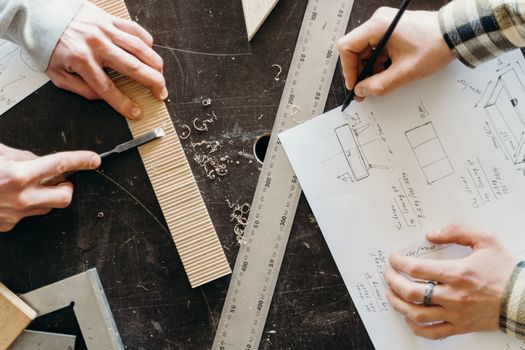
- Blueprints: Create a set of blueprints with precise measurements. This will guide you throughout the building process.
- Material List: Compile a list of all materials and tools you will need. This will help you avoid multiple trips to the store.
- Budgeting: Estimate costs for materials and tools. Having a budget can prevent overspending and will help you stay within limits.
6. Know Common Mistakes and Their Fixes
Even with careful planning, mistakes can happen. Here’s a list of common mistakes and how to troubleshoot them:
- Uneven Surfaces: If your table or bench is wobbly, check the legs for evenness. You can use shims to level uneven legs.
- Warping Wood: If your wood begins to warp, ensure it is properly supported and sealed. Consider using wood glue and clamps to reshape it during drying.
- Inaccurate Measurements: Double-check your measurements before cutting. If you make a mistake, you can often use wood filler to correct minor errors or adapt your design to fit what you have.
7. Utilize Resources Like Ted Woodworking
When in doubt, don’t hesitate to search for plans and inspiration from reliable resources. Ted Woodworking provides a variety of woodworking plans, catering to all skill levels. Utilizing their detailed guides can simplify your design process and help you avoid common pitfalls.
Conclusion
Designing your first outdoor wood project can be a fulfilling endeavor when approached with care and knowledge. By understanding your space, selecting the right materials, focusing on functionality, and planning meticulously, you can create beautiful outdoor furniture that will last for years. Remember, the key to success lies in avoiding common mistakes and learning how to troubleshoot when things don’t go as planned.
FAQ
- What type of wood is best for outdoor projects? Cedar, redwood, and pressure-treated lumber are excellent choices for outdoor furniture due to their resistance to rot and pests.
- How can I protect my outdoor furniture from the elements? Use high-quality outdoor finishes or stains, and consider adding a cover to protect your furniture during inclement weather.
- Are there any beginner-friendly outdoor projects I can start with? Yes, consider starting with simple projects like planter boxes, benches, or picnic tables which are straightforward and require minimal tools.
📚 Related Articles
🔨 Want 16,000+ Woodworking Plans?
Get instant access to step-by-step plans with blueprints and cut lists.
Get Instant Access →