When Should I Consider Investing in a Dust Collection System?
As a dedicated woodworker, you know that maintaining a clean workspace is essential for both safety and efficiency. One of the most significant challenges in woodworking is managing the dust created from cutting, sanding, and shaping wood. While some may overlook dust collection as an unnecessary expense, investing in a dust collection system can significantly enhance your woodworking experience. This article will explore when you should consider investing in a dust collection system and what tools are essential for effective dust management.
Understanding the Importance of Dust Collection
Before diving into the specifics of when to invest, it’s crucial to understand why dust collection is important. Wood dust can pose health risks, including respiratory issues and allergies. Additionally, a clean workshop enhances your ability to see your work clearly and reduces the chances of accidents. Here are a few reasons to consider a dust collection system:
- Health Benefits: Prolonged exposure to wood dust can lead to serious health issues.
- Improved Air Quality: A dust collection system helps maintain cleaner air in your workshop.
- Enhanced Visibility: Dust-free surfaces allow for better focus on your woodworking projects.
- Tool Longevity: Reducing dust buildup on tools can extend their lifespan.
When to Invest in a Dust Collection System
While the benefits of a dust collection system are clear, determining when to invest can be a bit more nuanced. Here are some factors to consider:
Your Workshop Size
If you are working in a small space, such as a garage or a shed, you might be able to get away with a smaller dust collection solution, such as a shop vacuum with a dust separator. However, if you have a larger workshop with multiple machines, a dedicated dust collection system becomes necessary.
Type of Woodworking Projects
Consider the projects you typically undertake. If you frequently work with larger pieces of wood or perform tasks that generate significant amounts of dust, such as milling lumber or sanding large surfaces, then a dust collection system is a wise investment. On the other hand, if your woodworking is limited to smaller projects, you might not need a full system right away.
Frequency of Use
How often do you find yourself woodworking? If you are a hobbyist who occasionally works on projects, you might delay investing in a dust collection system. However, if woodworking is your primary hobby or profession, a system will greatly enhance your efficiency and workspace cleanliness.
Budget Considerations
Dust collection systems can range in price, from affordable shop vacuums to high-end stationary systems. Assess your budget and determine what type of system fits your needs. Remember that investing in quality tools can save you money in the long run by reducing wear and tear on your equipment.
Types of Dust Collection Systems
When considering a dust collection system, there are several types to choose from:
- Shop Vacuums: Ideal for small workshops, they are versatile and can be used with various attachments. Pros: Affordable, portable. Cons: Limited capacity and may not handle large dust amounts effectively.
- Dust Extractors: These are designed for power tools, offering more suction and filtration. Pros: Excellent for fine dust, quieter than shop vacs. Cons: More expensive and may require additional hoses.
- Central Dust Collection Systems: Permanent installations that connect to multiple machines. Pros: Highly effective for large workshops, minimizes dust everywhere. Cons: Higher initial investment and installation complexity.
Essential Tools for Dust Management
In addition to a dust collection system, consider investing in the following tools for enhanced dust management:
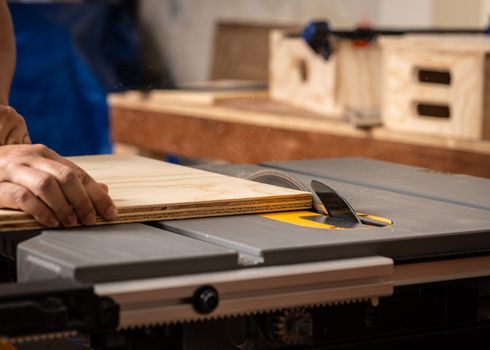
- Dust Hoods: These attach directly to your machines to capture dust at the source. They are essential for table saws, routers, and planers.
- Flexible Hoses: A good quality hose allows for easy maneuverability and connection between your tools and dust collection system.
- Dust Separators: These can be used with shop vacuums to capture larger particles before they reach the vacuum, extending its life.
Using Ted Woodworking for Dust Collection Plans
If you are considering building your own dust collection system, resources like Ted Woodworking provide a wealth of plans and ideas. Ted Woodworking offers a variety of woodworking plans that can help you create a customized dust collection solution tailored to your workshop's needs.
Conclusion
Investing in a dust collection system is a significant step toward creating a safer, cleaner, and more efficient woodworking environment. By assessing your workshop size, the types of projects you undertake, your frequency of use, and your budget, you can make an informed decision about when to invest. Remember, the right dust collection tools not only improve your workspace but also enhance your woodworking experience overall.
Frequently Asked Questions
- What type of dust collection system is best for beginners? A shop vacuum with a dust separator is often the best choice for beginners.
- How often should I clean my dust collection system? It’s advisable to clean your system after every major project to maintain efficiency.
- Can I build my own dust collection system? Yes, many woodworkers create their own systems using plans from resources like Ted Woodworking.
📚 Related Articles
🔨 Want 16,000+ Woodworking Plans?
Get instant access to step-by-step plans with blueprints and cut lists.
Get Instant Access →