What is Woodworking Joinery?
Woodworking joinery is the technique of connecting two or more pieces of wood together to create a structural bond. This technique is fundamental in the furniture-making process as it determines the strength, durability, and aesthetic quality of the finished piece. Understanding various joinery methods is crucial for any woodworking enthusiast, especially beginners, as it lays the foundation for building quality furniture.
Why Does Joinery Matter?
Joinery is more than just a way to hold pieces of wood together; it impacts the functionality, longevity, and appearance of your furniture. Here are a few reasons why joinery matters:
- Structural Integrity: Proper joinery ensures that your furniture can withstand regular use without falling apart.
- Aesthetic Appeal: Different joinery techniques can enhance the beauty of your projects, making them visually appealing.
- Ease of Assembly: Understanding joinery can simplify the construction process, especially for complex designs.
- Adaptability: Knowing various joinery methods allows you to adapt your designs and make necessary adjustments.
Basic Types of Woodworking Joinery
There are several types of joinery methods, each with its own advantages and disadvantages. Below are some common joinery techniques that every beginner should know:
1. Butt Joint
The butt joint is the simplest form of joinery. It involves joining two pieces of wood together by simply placing them end to end or edge to edge. While it is easy to make, it is not the strongest joint and is typically reinforced with glue or screws.
2. Lap Joint
A lap joint is created when two pieces of wood overlap each other. This joint provides more surface area for bonding and is stronger than a butt joint. It can be made using basic tools like a saw and chisel.
3. Dado Joint
A dado joint is formed when a groove is cut into one piece of wood to accept another piece. This method is excellent for creating shelves and adds significant strength to the overall structure.
4. Mortise and Tenon Joint
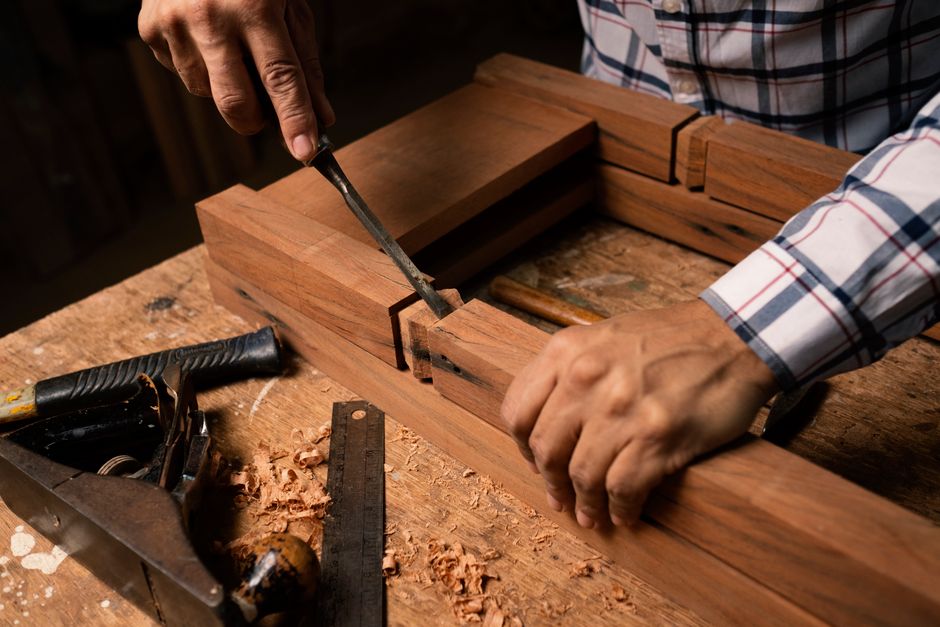
This traditional joint involves a mortise (a hole) cut into one piece of wood and a tenon (a protrusion) on the other piece that fits into the mortise. This joint is known for its strength and is commonly used in frame construction.
5. Finger Joint
Finger joints, also known as box joints, consist of interlocking fingers that create a large surface area for gluing. This technique is often used in drawer construction and can be made using a table saw or a router.
Tools Required for Basic Joinery
Getting started with woodworking joinery doesn't require an extensive collection of tools. Here are some basic tools you will need:
- Measuring Tools: A tape measure and square are essential for accurate measurements.
- Saws: A hand saw or a circular saw will suffice for most joint cuts.
- Chisels: Chisels are needed for refining joints, especially mortise and dado joints.
- Drill: A drill is useful for creating holes for screws or dowels.
- Clamps: Clamps help hold your joints together while the glue dries.
Step-by-Step Guide to Creating a Simple Butt Joint
To illustrate the basics of woodworking joinery, let's walk through the process of creating a simple butt joint:
- Measure: Start by measuring and marking where you want to join the pieces of wood.
- Cut: Use a saw to cut the ends of the wood pieces at a 90-degree angle. Ensure your cuts are clean and precise.
- Apply Glue: Spread wood glue on the ends of both pieces where they will touch.
- Join: Press the two pieces together firmly.
- Clamp: Use clamps to hold the joint together until the glue dries, usually for at least 30 minutes.
- Finish: Once the glue has dried, sand the joint area to smooth out any rough edges. You can then paint or finish the piece as desired.
Using Resources for Joinery Plans
For beginners looking to expand their knowledge and skills, having access to quality plans is essential. Ted Woodworking offers a comprehensive library of woodworking plans that include step-by-step instructions and diagrams. Whether you’re looking to create simple furniture or complex projects, Ted Woodworking has resources that can help you master the art of joinery.
Conclusion
Understanding woodworking joinery is fundamental for anyone looking to create high-quality furniture. By mastering the basics of joinery, you'll be well on your way to building pieces that are not only functional but also beautiful. Remember, practice makes perfect, so don't hesitate to experiment with different techniques and find what works best for you!
FAQ
What is the strongest type of wood joint?
The mortise and tenon joint is considered one of the strongest types of wood joints due to its interlocking design.
Do I need expensive tools to get started with woodworking joinery?
No, you can start with basic tools like a saw, chisels, and clamps. As you progress, you can invest in more specialized tools.
Can I learn woodworking joinery without formal training?
Absolutely! Many resources, including online tutorials and books, are available to help you learn woodworking joinery independently.
📚 Related Articles
🔨 Want 16,000+ Woodworking Plans?
Get instant access to step-by-step plans with blueprints and cut lists.
Get Instant Access →