Introduction
Woodworking is a rewarding hobby and profession that allows you to create beautiful furniture and functional items. However, even the most experienced woodworkers encounter issues during their projects. Mistakes can happen, but knowing how to troubleshoot and repair common problems can save you time and frustration. In this article, we will explore some common mistakes DIYers face and provide tips for repairs to help you get back on track.
Common Mistakes in Wood Projects
Before diving into repairs, it helps to understand the common mistakes that can occur during woodworking projects. Here are a few that you should watch out for:
- Measurement Errors: One of the most frequent mistakes is inaccurate measurements. This can lead to ill-fitting joints or pieces that are too large or small.
- Poor Joinery: If joints are not cut correctly, your furniture may not hold together properly or may look misaligned.
- Surface Imperfections: Uneven surfaces, scratches, or dents can mar the appearance of your finished piece.
- Incorrect Finishing: Applying the wrong type of finish or not preparing the wood properly can result in a less-than-desirable appearance.
- Using the Wrong Tools: Utilizing the wrong tools or not maintaining them can lead to subpar results.
Repairing Common Issues
Now that we've identified some common mistakes, let’s explore how to troubleshoot and repair these issues effectively.
1. Fixing Measurement Errors
If you find that pieces do not fit together due to measurement errors, here are a few solutions:
- Re-cutting: If the piece is too large, you can carefully re-cut it to the correct size. Use a table saw or miter saw for precision.
- Filler Strips: If a piece is too small, consider using filler strips. Cut narrow pieces of wood that can be glued into the gaps for a seamless look.
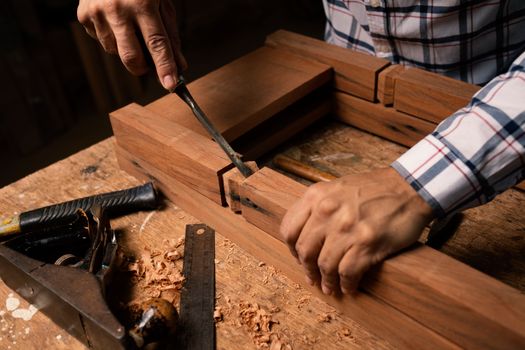
- Adjusting Joints: Sometimes, adjusting the angle of a joint can make a significant difference in fit. Use a chisel or plane to refine the edges.
2. Repairing Poor Joinery
Joint issues can compromise the integrity of your furniture. Here’s how to address them:
- Re-gluing Joints: If joints are loose, disassemble them, clean off old glue, and reapply fresh wood glue. Clamp the pieces together until the glue sets.
- Dowels or Biscuits: For a more robust connection, consider adding dowels or biscuits to reinforce the joint. Drill holes for dowels or use a biscuit joiner for added strength.
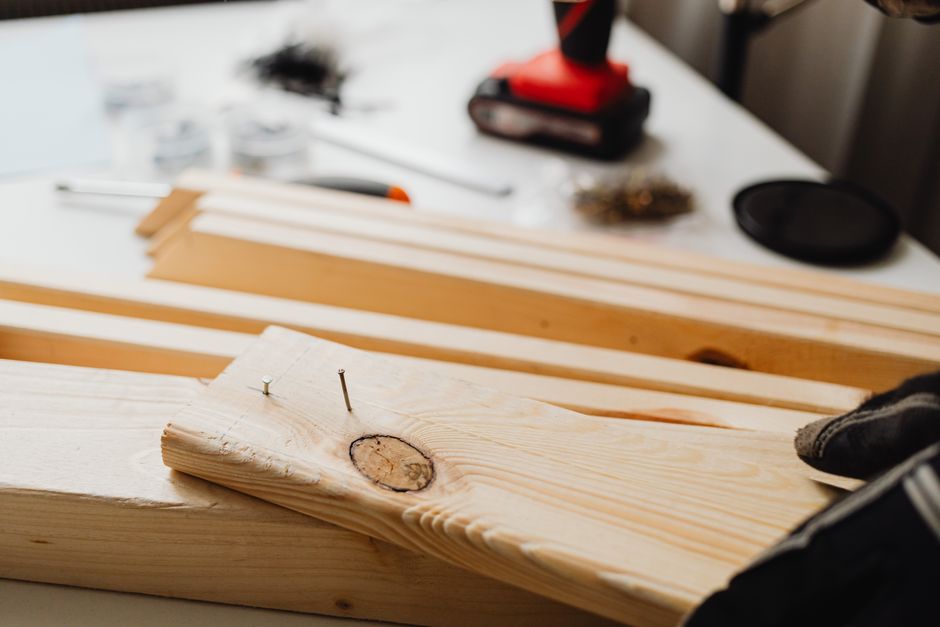
- Wood Screws: For additional support, use wood screws to secure joints. Make sure to pre-drill to prevent splitting the wood.
3. Addressing Surface Imperfections
Surface imperfections can detract from the overall appearance of your project. Here’s how to tackle them:
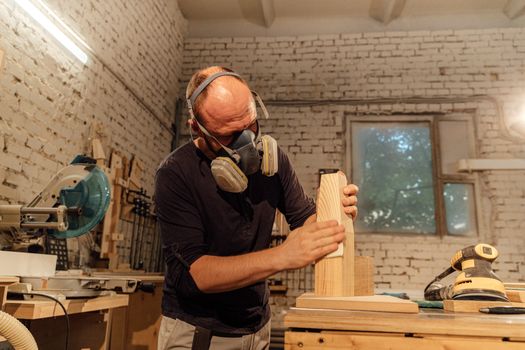
- Sanding: Use a variety of sandpaper grits to smooth out rough patches. Start with a coarse grit and progress to finer grits for a polished finish.
- Wood Filler: For dents or holes, apply wood filler that matches your wood type. Once dry, sand it smooth and finish as desired.
- Staining and Finishing: If the surface is uneven after repairs, consider re-staining the entire piece for a uniform look. Ensure proper prep work before applying a finish.
4. Correcting Finishing Errors
Finishing mistakes can ruin an otherwise perfect project. Here are some tips to correct them:
- Stripping the Finish: If the finish is uneven or the wrong type was used, consider stripping it completely and starting over. Use a chemical finish remover or sanding to remove it.
- Reapplying Finish: Once stripped, ensure the wood is clean and dry before applying the correct finish. Follow the manufacturer’s instructions for best results.
- Testing Finishes: Always test finishes on scrap pieces of the same wood to ensure compatibility and desired color.
5. Tool Maintenance and Usage
Using the right tools and keeping them in good condition is essential for a successful project. Here’s how to ensure your tools are up to par:
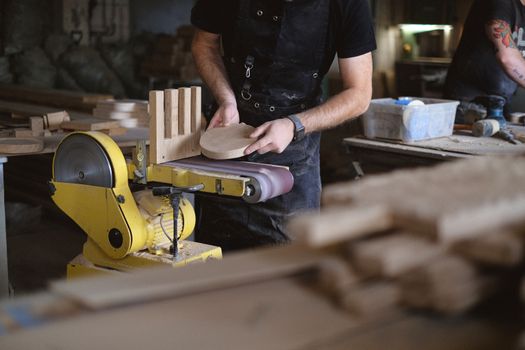
- Regular Maintenance: Keep your tools clean and well-maintained. Sharpen blades regularly to ensure clean cuts.
- Proper Usage: Always use tools for their intended purpose. For example, using a chisel to pry open a joint can damage both the tool and the workpiece.
- Ted Woodworking Plans: If you’re looking for precise measurements and detailed instructions, consider utilizing resources like Ted Woodworking. Their extensive plans can help you avoid common mistakes from the start.
Conclusion
Repairing common wood project mistakes is part of the learning process in woodworking. By understanding these common issues and employing the right troubleshooting methods, you can improve your skills and create beautiful, functional furniture. Remember, every mistake is an opportunity to learn and grow as a woodworker.
FAQs
- What should I do if my joints won't stay glued?
If joints won't stay glued, ensure they are clean of old glue. Reapply fresh glue and use clamps to hold them in place until dry. - How can I prevent surface scratches on my finished piece?
To prevent surface scratches, always use coasters and avoid placing heavy objects directly on the wood surface. A furniture polish can also help maintain the finish. - What's the best way to learn woodworking techniques?
The best way to learn woodworking techniques is through practice, watching instructional videos, and utilizing comprehensive plans like those from Ted Woodworking.
📚 Related Articles
🔨 Want 16,000+ Woodworking Plans?
Get instant access to step-by-step plans with blueprints and cut lists.
Get Instant Access →