Introduction
Woodworking is an age-old craft that not only produces beautiful furniture and toys but also instills valuable life skills in those who practice it. Teaching kids woodworking skills early can open up a world of creativity, problem-solving, and confidence. In this article, we will explore the numerous benefits of woodworking for children and recommend some essential tools to help them get started.
Benefits of Teaching Kids Woodworking Skills
Introducing woodworking to children can have a profound impact on their development. Here are some of the primary benefits:
1. Enhances Creativity
Woodworking allows children to express their creativity by designing and building their own projects. They learn to visualize their ideas and bring them to life, which fosters a sense of accomplishment.
2. Develops Fine Motor Skills
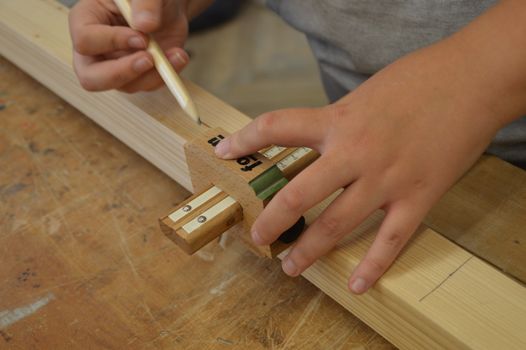
Handling tools and materials helps children improve their hand-eye coordination and dexterity. These fine motor skills are essential for various daily tasks and can enhance their overall physical development.
3. Teaches Problem-Solving
Woodworking projects often come with challenges that require critical thinking and problem-solving skills. Children learn to troubleshoot issues that arise during the building process, which teaches resilience and perseverance.
4. Encourages Patience and Focus
Completing a woodworking project requires attention to detail and patience. Kids learn to concentrate on their tasks, which can translate to better focus in academic settings.
5. Builds Confidence and Self-Esteem
Successfully completing a woodworking project boosts a child's confidence. They take pride in their creations and develop a sense of ownership over their work, leading to increased self-esteem.
6. Promotes Teamwork and Communication
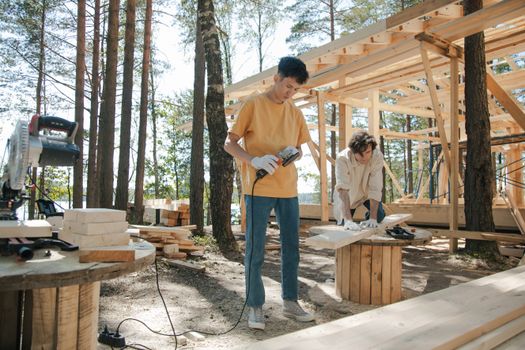
When woodworking as a group activity, children learn to communicate effectively and work collaboratively. These social skills are invaluable in both personal and professional settings later in life.
7. Teaches Responsibility
Woodworking involves the use of tools, materials, and workspaces. Children learn the importance of maintaining their tools and workspace, fostering a sense of responsibility and care.
Essential Tools for Kids in Woodworking
To effectively teach kids woodworking skills, having the right tools is essential. Here are some recommended tools, along with their pros and cons:
- Kids' Safety Goggles
- Pros: Protects eyes from debris; encourages safe practices.
- Cons: Might feel uncomfortable for some children.
- Hand Saw
- Pros: Easy to control; suitable for beginners.
- Cons: Requires supervision to ensure safety.
- Woodworking Clamps
- Pros: Stabilizes materials during cutting and assembling.
- Cons: Can be tricky to use for very young kids.
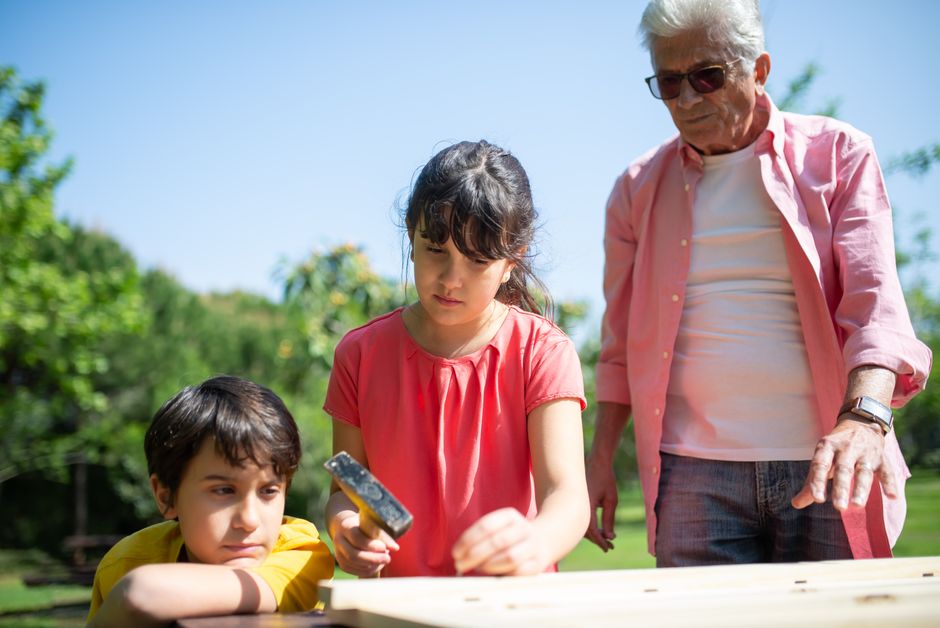
- Child-Sized Hammer
- Pros: Lightweight and easy for kids to handle.
- Cons: Limited to smaller projects.
- Non-Power Drill
- Pros: Safe for kids; helps develop hand strength.
- Cons: Slower than power drills, requiring more effort.
- Woodworking Kits
- Pros: Pre-cut pieces make it easy for kids to start; includes instructions.
- Cons: Limited creativity; may feel restrictive.
- Ted Woodworking Plans
- Pros: Offers a wide range of project plans; suitable for all skill levels.
- Cons: Requires some adult supervision for complex projects.
Conclusion
Teaching kids woodworking skills early offers numerous benefits that can positively influence their development. From enhancing creativity to promoting patience and responsibility, woodworking is a fantastic way to equip children with valuable skills for life. With the right tools and guidance, children can embark on a rewarding woodworking journey that fosters personal growth while creating beautiful projects.
FAQ
1. What age is appropriate to start teaching kids woodworking?
Generally, children as young as 5 years old can start with simple projects and tools under adult supervision. Gradually, they can progress to more complex tasks as they grow older.
2. Are there any safety concerns when kids are woodworking?
Yes, safety is paramount. Always ensure children wear protective gear, such as goggles, and supervise them closely while using tools to prevent accidents.
3. Can woodworking help with school subjects?
Absolutely! Woodworking can enhance skills in math (measuring), science (understanding materials), and art (designing), making it a well-rounded educational activity.
📚 Related Articles
🔨 Want 16,000+ Woodworking Plans?
Get instant access to step-by-step plans with blueprints and cut lists.
Get Instant Access →