Choosing the Right Wood for Outdoor Furniture
Outdoor furniture is a fantastic way to enhance your outdoor space, but it requires careful consideration of the materials used. One of the most crucial factors is the type of wood you choose. Not all woods are created equal when it comes to durability and weather resistance. In this article, we will explore the best types of wood for outdoor furniture, common mistakes to avoid, and troubleshooting tips to help you create a beautiful and lasting addition to your yard.
The Best Types of Wood for Outdoor Furniture
When selecting wood for outdoor furniture, you want a material that can withstand the elements. Here are some of the best options:
- Teak: Known for its incredible durability and resistance to rot, teak is often the gold standard for outdoor furniture. Its natural oils repel moisture, making it ideal for wet environments.
- Cedar: Cedar is lightweight and has a natural resistance to decay and insects. It has a pleasant aroma and can be stained or left to weather naturally.
- Redwood: Similar to cedar, redwood is naturally resistant to decay and insects. Its rich color and aesthetic appeal make it a popular choice for outdoor furniture.
- Mahogany: While it is more expensive, mahogany's durability and beautiful finish make it worth considering. It holds up well against moisture and pests.
- Pressure-Treated Pine: This economical option is treated with chemicals to resist rot and insects. While it may not have the same aesthetic appeal as hardwoods, it can be painted or stained.
Common Mistakes to Avoid
When building outdoor furniture, there are several common mistakes that can compromise your project:
- Choosing the Wrong Wood: Selecting a wood that is not suitable for outdoor use is a common pitfall. Avoid softwoods like poplar or untreated plywood, as they will not withstand moisture and can warp or rot over time.
- Neglecting Finish: Even the best wood needs protection. Always apply a weather-resistant finish, such as varnish or outdoor paint, to prolong the life of your furniture.
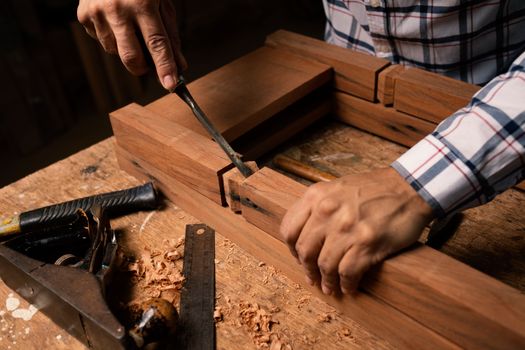
- Ignoring Joinery Techniques: Poor joinery can lead to weak structures. Ensure you use proper joinery techniques, such as mortise and tenon or dowel joints, to create sturdy connections that can handle outdoor stress.
- Forgetting Maintenance: Outdoor furniture requires regular maintenance. Failing to clean and reapply finishes can result in deterioration over time.
Troubleshooting Tips and Fixes
If you encounter issues while building outdoor furniture, here are some troubleshooting tips:
- Problem: Wood Warping
Solution: Ensure that you are using a high-quality wood that is properly dried. Store your wood in a dry location and avoid exposing it to excessive moisture during the building process. - Problem: Peeling Finish
Solution: If your finish starts to peel, it may be due to inadequate surface preparation. Make sure to sand the wood thoroughly before applying any finish, and consider using a primer designed for outdoor use. - Problem: Structural Weakness
Solution: If your furniture feels wobbly, check your joinery. Reinforce joints with brackets or screws if necessary, and consider adding cross bracing for additional support.
For those looking for detailed plans and designs for outdoor furniture, Ted Woodworking is an excellent resource. With a wide array of project plans, you can find everything from chairs to tables, allowing you to create beautiful pieces for your outdoor space.
Conclusion
Choosing the right wood for outdoor furniture is essential for creating durable and beautiful pieces that will last for years. By avoiding common mistakes and troubleshooting effectively, you can enjoy your outdoor furniture without the worry of premature wear. Remember, investing in quality materials and proper techniques will pay off in the long run.
FAQ
- What wood lasts the longest outdoors?
Teak is often considered the most durable wood for outdoor furniture due to its high oil content and resistance to weathering. - Can I use untreated wood for outdoor furniture?
It is not recommended to use untreated wood outdoors, as it will be susceptible to rot, insects, and moisture damage. - How often should I maintain my outdoor furniture?
Regular maintenance should be performed at least once a year, including cleaning, reapplying finishes, and checking for structural integrity.
📚 Related Articles
🔨 Want 16,000+ Woodworking Plans?
Get instant access to step-by-step plans with blueprints and cut lists.
Get Instant Access →