What are the Most Popular Wood Types for DIY Furniture?
Building your own furniture can be an incredibly rewarding experience. Not only does it allow you to showcase your creativity, but it also provides the opportunity to create pieces that perfectly fit your space and style. However, one of the most important decisions you'll make as a DIY furniture builder is the choice of wood. In this guide, we'll explore the most popular wood types for DIY furniture, helping you make informed decisions for your projects.
1. Pine
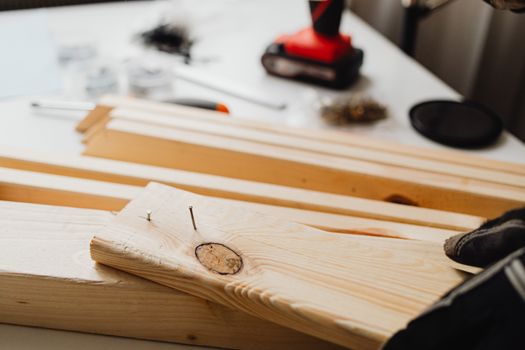
Pine is one of the most popular choices for DIY furniture, especially among beginners. It is readily available, affordable, and easy to work with. Pine is a softwood, which means it is lightweight and can be cut, sanded, and shaped with basic tools.
- Pros: Affordable, lightweight, easy to work with, and takes paint and stain well.
- Cons: Prone to dents and scratches due to its softness.
2. Oak
Oak is a hardwood known for its durability and strength. It is often used for furniture that needs to withstand heavy use, such as dining tables and chairs. Oak has a beautiful grain pattern, making it a favorite for more traditional furniture styles.
- Pros: Extremely durable, resistant to wear, and has an attractive grain.
- Cons: More expensive than softwoods and can be harder to work with due to its density.
3. Maple
Maple is another hardwood that is popular among DIY furniture builders. It is known for its fine grain and smooth finish. Maple is strong and resistant to scratches, making it a great choice for furniture that will see a lot of use.
- Pros: Strong, durable, and offers a smooth finish.
- Cons: Can be pricier than some other wood options and may require more advanced tools for cutting.
4. Birch
Birch is a versatile hardwood that is becoming increasingly popular for DIY furniture. It has a light color and a fine, even grain, making it a great base for stains and finishes. Birch is also relatively easy to work with, making it suitable for beginners.
- Pros: Easy to work with, takes stains well, and has a beautiful finish.
- Cons: Not as durable as oak and may dent more easily than other hardwoods.
5. Cherry
Cherry wood is prized for its rich color that deepens over time. It is a hardwood that is relatively easy to work with, making it a great option for furniture projects. Cherry is often used for high-end furniture due to its beauty and durability.
- Pros: Beautiful color that ages well, strong and durable.
- Cons: More expensive than other wood types and can be harder to find.
Choosing the Right Wood for Your Project
When choosing wood for your DIY furniture project, consider the following factors:
- Budget: Determine how much you can afford to spend on wood.
- Skill Level: If you are a beginner, you may want to start with softer woods like pine.
- Desired Finish: Consider how you want your finished project to look and select a wood that suits your vision.
- Functionality: Think about how the furniture will be used. For high-traffic items, choose a more durable wood.
Resources for DIY Furniture Plans
If you are looking for comprehensive plans to guide you through your furniture building journey, consider exploring resources like Ted Woodworking. They offer a vast array of plans that cater to various skill levels, ensuring you have the right guidance and structure for your projects.
Conclusion
Choosing the right wood type is crucial for any DIY furniture project. By understanding the characteristics of each wood type, you can select the best match for your needs, style, and budget. Whether you choose the affordability of pine or the elegance of cherry, the right wood can make all the difference in your finished piece.
FAQ
1. What is the best wood for outdoor furniture?
Cedar and redwood are excellent choices for outdoor furniture due to their natural resistance to moisture and insects.
2. Can I use plywood for furniture projects?
Yes, plywood is a great option for various furniture projects. It is stable and can be used for everything from shelves to cabinets.
3. How do I choose the right finish for my furniture?
Consider the type of wood and the intended use of the furniture. Oil-based finishes offer durability, while water-based finishes are easier to clean up and have less odor.
📚 Related Articles
🔨 Want 16,000+ Woodworking Plans?
Get instant access to step-by-step plans with blueprints and cut lists.
Get Instant Access →