Introduction
DIY furniture assembly kits have become increasingly popular in recent years, offering a convenient solution for those looking to furnish their homes without breaking the bank. These kits typically come with pre-cut pieces, hardware, and instructions, allowing you to assemble your furniture at home. However, like any solution, there are pros and cons to consider. In this article, we will explore the advantages and disadvantages of DIY furniture assembly kits, highlight common mistakes, and provide troubleshooting tips to ensure your project is a success.
Pros of DIY Furniture Assembly Kits
- Cost-Effective: One of the biggest advantages of DIY furniture assembly kits is their affordability. Compared to custom-built or high-end furniture, these kits often offer a significant savings.
- Convenience: With pre-cut pieces and detailed instructions, assembly kits streamline the furniture building process. Most kits are designed for quick assembly, making it easier to set up your space.
- Variety: DIY kits are available in a wide range of styles and sizes, allowing you to find the perfect piece to match your home decor. From modern to rustic, there's something for everyone.
- Customizability: Many DIY kits can be customized with paint, stain, or additional hardware, giving you the freedom to personalize your furniture.
- Skill Development: Assembling furniture can be a great way to develop your woodworking skills. It provides a hands-on experience that can lead to further woodworking projects.
Cons of DIY Furniture Assembly Kits
- Quality Concerns: The quality of materials used in DIY kits can vary significantly. Some kits may use cheaper materials that may not stand the test of time.
- Complexity of Assembly: While many kits are designed for easy assembly, some can be surprisingly complex. Following instructions carefully is crucial to avoid mistakes.
- Missing Parts: It is not uncommon to find that a kit is missing parts or hardware, which can lead to delays and frustration during assembly.
- Limited Support: DIY kits often come with minimal customer support. If you run into issues or have questions during assembly, help may not be readily available.
- Potential for Damage: Improper handling or assembly can lead to damage to the furniture, which may be difficult to fix without professional help.
Common Mistakes to Avoid
When assembling DIY furniture kits, there are several common mistakes that can lead to headaches. Here are some pitfalls to avoid:
1. Skipping the Instructions
One of the most common mistakes is skipping or rushing through the instructions. Always read the entire manual before starting your project. This will help you understand the assembly process and identify all the necessary parts.
2. Not Organizing Parts
When opening a kit, take time to lay out and organize all parts and hardware. This will make it easier to find everything you need during assembly and prevent you from losing small pieces.
3. Ignoring Pre-Drilled Holes
Many kits come with pre-drilled holes, which are designed to guide assembly. Ignoring these can lead to misalignment and unstable furniture. Always use the provided holes as your guide.
4. Forcing Parts Together
It might be tempting to force pieces together when they don’t seem to fit, but this can lead to damage. If parts don’t align properly, double-check the instructions and your part orientation before proceeding.
5. Neglecting Safety Precautions
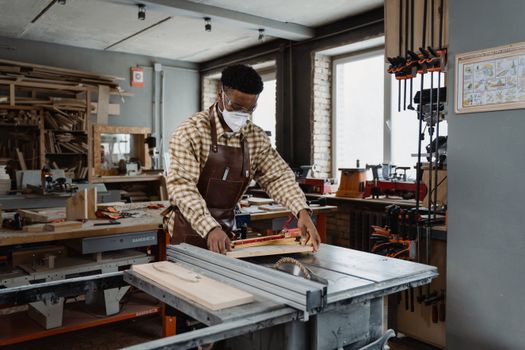
Always prioritize safety when assembling furniture. Wear appropriate safety gear, use tools carefully, and ensure your workspace is clear of hazards.
Troubleshooting Tips
If you encounter issues while assembling your DIY furniture kit, here are some troubleshooting tips:
1. Missing Parts
If you discover that parts are missing, check the packaging thoroughly. Sometimes, small pieces can be lodged in corners or under other components. If you still can’t find them, contact the manufacturer for replacements.
2. Misalignment
If parts are not aligning as they should, review the instructions to ensure you are following the correct order. Sometimes loosening all the screws and then tightening them in sequence can help achieve a better fit.
3. Weak Joints
If you notice that joints feel weak after assembly, consider adding wood glue to strengthen connections. This is especially important for load-bearing areas.
Resources for DIY Projects
If you’re looking for detailed plans and designs for DIY furniture, Ted Woodworking offers a wealth of resources that can help you create unique pieces tailored to your style and needs.
Conclusion
DIY furniture assembly kits can be a fantastic way to furnish your home affordably and creatively. However, it is essential to weigh the pros and cons, avoid common mistakes, and be prepared with troubleshooting tips to ensure a successful assembly experience. With patience and the right approach, you can create beautiful, functional furniture that enhances your living space.
FAQ
Q1: Can I customize my DIY furniture assembly kit?
A1: Yes, many DIY kits can be customized with paint, stain, or additional hardware to better fit your personal style.
Q2: What should I do if parts are missing from my kit?
A2: Check the packaging carefully for small pieces, and if you still can't find them, contact the manufacturer for replacements.
Q3: Are DIY furniture kits easy to assemble?
A3: Most kits are designed for easy assembly, but complexity can vary. It's important to read the instructions carefully and take your time.
📚 Related Articles
🔨 Want 16,000+ Woodworking Plans?
Get instant access to step-by-step plans with blueprints and cut lists.
Get Instant Access →