Why DIY Wooden Toys Are the Perfect Gift for Toddlers
When it comes to finding the perfect gift for toddlers, wooden toys stand out as a timeless choice. Not only do they provide hours of imaginative play, but they also offer a wealth of benefits that plastic toys simply cannot match. In this article, we will delve into the art of creating DIY wooden toys, focusing on advanced woodworking techniques, precision craftsmanship, and achieving a professional finish that ensures safety and durability for little hands.
The Benefits of DIY Wooden Toys
- Durability: Wooden toys are built to last, capable of enduring rough play without losing their integrity.
- Safety: When made with non-toxic finishes, wooden toys are far safer for toddlers compared to their plastic counterparts.
- Educational Value: Wooden toys often encourage creativity and learning through imaginative play.
- Environmental Impact: Choosing sustainable wood options reduces your carbon footprint compared to mass-produced plastic toys.
Advanced Joinery Techniques
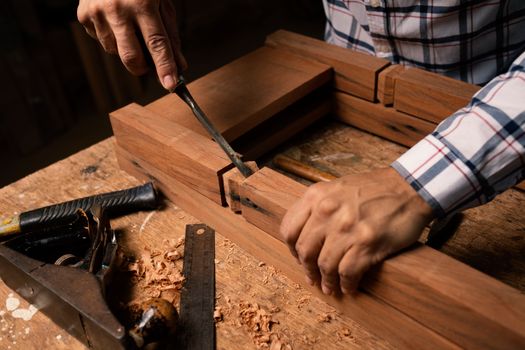
One of the key aspects of crafting high-quality wooden toys is mastering joinery techniques. Proper joinery not only enhances the aesthetic appeal of the toy but also significantly improves its durability and safety for young children. Here are a few advanced joinery methods you might consider:
- Mortise and Tenon: This classic joint is perfect for creating strong connections. It involves cutting a hole (mortise) into one piece of wood and a matching protrusion (tenon) on another, making for an incredibly sturdy bond.
- Dado Joints: Ideal for adding shelves or compartments in toys, dado joints involve cutting a groove into one piece of wood to accept another piece. This method provides a clean look and strong support.
- Finger Joints: These interlocking joints are great for creating decorative elements in your toy designs while also providing exceptional strength.
Precision in Craftsmanship
Precision is paramount when crafting toys for toddlers. Any rough edges or imprecise cuts can pose safety hazards. Here are some techniques to ensure your woodworking is of the highest quality:
- Measuring Accurately: Use precise measuring tools like calipers and a good combination square to ensure accurate measurements before cutting.
- Quality Tools: Invest in high-quality saws, chisels, and routers to achieve clean cuts and smooth finishes.
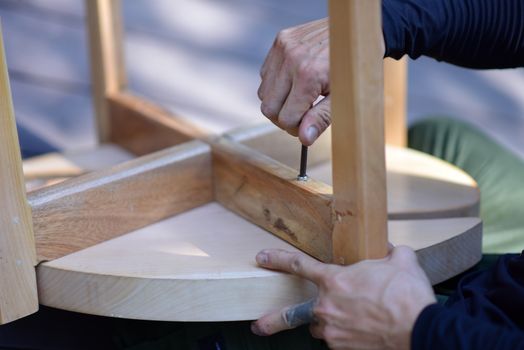
- Test Fit Your Joints: Always dry fit your joints before final assembly to ensure everything fits together perfectly.
Achieving a Professional Finish
The final touch on your DIY wooden toys is crucial. A professional finish not only enhances the appearance but also protects the wood from wear and tear. Here are some finishing techniques to consider:
- Sanding: Start with coarse grit sandpaper and work up to fine grit to achieve a smooth surface. Pay extra attention to rounded edges to eliminate any potential splinters.
- Non-Toxic Paints and Finishes: Use child-safe paints and finishes to add color and protection. Look for products that are specifically labeled as non-toxic and safe for children.
- Natural Oils: Consider using natural oils like linseed or tung oil for a more organic finish that is both beautiful and protective.
Resources for DIY Wooden Toy Plans
For those looking to dive into the world of DIY wooden toys, finding the right plans is essential. One excellent resource is Ted Woodworking, which offers a vast collection of woodworking plans tailored for all skill levels. Their detailed guides can help you navigate the complexities of toy design and construction.
Conclusion
Creating DIY wooden toys for toddlers is not just a rewarding woodworking project; it’s an opportunity to provide a safe, durable, and educational gift that encourages imagination and creativity. By utilizing advanced joinery techniques, ensuring precision in your craftsmanship, and applying a professional finish, you can create heirloom-quality toys that will be cherished for years to come. So grab your tools, choose your plans, and start crafting the perfect gift for the little ones in your life!
FAQ
- What type of wood is best for making toddler toys?
Hardwoods like maple, oak, or birch are excellent choices due to their durability and safety. - How can I ensure safety in my wooden toys?
Always sand down all edges, use non-toxic finishes, and ensure your designs do not include small parts that could be a choking hazard. - Where can I find plans for DIY wooden toys?
Ted Woodworking offers a variety of plans that cater to different skill levels and toy designs.
📚 Related Articles
🔨 Want 16,000+ Woodworking Plans?
Get instant access to step-by-step plans with blueprints and cut lists.
Get Instant Access →