Understanding Gel Stains
Gel stains have become a popular choice among woodworkers and DIY enthusiasts for finishing their projects. Unlike traditional liquid stains, gel stains are thicker and more viscous, allowing for better control over the application process. In this article, we will discuss when to use gel stains for wood finishing, the tools you need, and the pros and cons of using this type of stain.
When to Use Gel Stains
Gel stains are particularly useful in several scenarios:
- On Vertical Surfaces: Because of their thicker consistency, gel stains are less likely to run or drip, making them ideal for vertical applications like doors and cabinets.
- On Softwoods: Softwoods such as pine can absorb stains unevenly. Gel stains provide a more uniform color and help prevent blotching.
- For Creative Finishing: If you want to create a layered look or highlight specific details, gel stains allow for greater control and manipulation.
- Over Existing Finishes: Gel stains can be applied over existing finishes without the need to strip them completely, saving you time and effort.
Benefits of Using Gel Stains
There are several advantages to using gel stains in your woodworking projects:
- Easy Application: The thick consistency means that you can apply it with a brush, cloth, or sponge without worrying about it running.
- Enhanced Control: Gel stains allow for a more controlled application, making it easier to achieve the desired shade and coverage.
- Less Mess: The viscosity of gel stains reduces the chance of drips and runs, keeping your workspace cleaner.
- Versatility: Gel stains can be used on various surfaces, including raw wood, previously finished wood, and even metal surfaces.
Tools Required for Using Gel Stains
Before you start your project, it's essential to have the right tools. Here are some recommended tools for using gel stains:
1. Quality Brushes
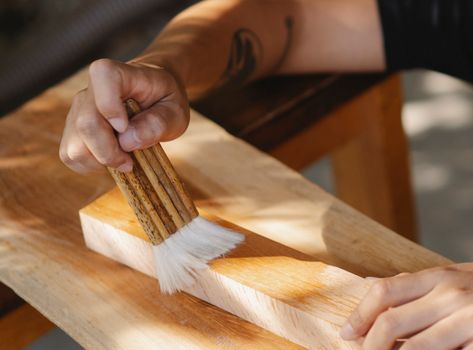
Using a good quality brush can make a significant difference in your application process. Look for natural bristle brushes that can hold the thicker gel stain well.
- Pros: Allows for smooth application and better control.
- Cons: Natural bristle brushes can be more expensive and require proper cleaning after use.
2. Lint-Free Cloths
Lint-free cloths are crucial when applying gel stains, especially for wiping off excess stain to achieve a more even finish.
- Pros: Prevents fibers from sticking to the surface and ensures a clean finish.
- Cons: You may need multiple cloths for larger projects.
3. Foam Brushes or Sponges
Foam brushes or sponges can be a great alternative to traditional brushes for applying gel stains.
- Pros: Easy to use and dispose of; good for getting into tight spaces.
- Cons: May not provide as smooth a finish as a quality bristle brush.
4. Sandpaper
Before applying gel stain, it’s vital to prepare your wood surface. Sandpaper will help you achieve a smooth finish.
- Pros: Prepares the wood for better stain absorption.
- Cons: Requires extra time and effort, especially for larger pieces.
5. Safety Gear
Always ensure that you’re wearing appropriate safety gear, such as gloves and a mask, to protect against fumes.
- Pros: Protects your health while working with chemicals.
- Cons: May be uncomfortable for some users, especially in warm conditions.
Where to Find Gel Stain Plans
For those looking to embark on new woodworking projects, Ted Woodworking is an excellent resource for finding detailed plans. With thousands of plans available, you can find specific projects that incorporate gel staining techniques, enhancing your woodworking skill set.
Conclusion
Gel stains are an excellent choice for various woodworking projects due to their versatility, ease of application, and ability to provide a uniform finish. By understanding when to use gel stains and having the right tools at your disposal, you can achieve stunning results in your woodworking endeavors.
FAQ Section
1. Can gel stains be used over varnish?
Yes, gel stains can be applied over varnish, but it is essential to ensure the surface is clean and lightly sanded for better adhesion.
2. How do I prevent blotching when using gel stains on softwoods?
To prevent blotching on softwoods, consider using a pre-stain conditioner before applying the gel stain. This can help achieve a more even finish.
3. How do I clean up after using gel stains?
Use mineral spirits to clean brushes and tools after using gel stains. Ensure you dispose of any rags properly to avoid fire hazards.
📚 Related Articles
🔨 Want 16,000+ Woodworking Plans?
Get instant access to step-by-step plans with blueprints and cut lists.
Get Instant Access →