Introduction
When it comes to fine woodworking, the choice of finish can significantly impact the appearance and durability of your project. Two popular options for wood finishing are oil and lacquer. Each has its unique properties and applications, making it crucial for woodworkers to understand the differences to achieve that professional finish. In this article, we will delve into the merits of both oil and lacquer finishes, particularly in the context of advanced joinery techniques and precision woodworking.
Understanding Oil Finishes
Oil finishes, such as linseed or tung oil, penetrate the wood fibers, enhancing the grain and providing a warm, natural look. Here are some key characteristics:
- Appearance: Oil finishes accentuate the wood grain, providing a rich, matte finish that many woodworkers appreciate.
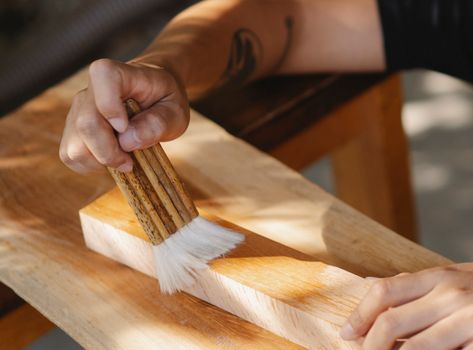
- Ease of Application: Applying oil is straightforward; it usually requires wiping on and wiping off excess, making it accessible for both beginners and experienced woodworkers.
- Repairability: If your piece gets scratched or damaged, oil finishes can often be repaired by simply applying more oil to the affected area.
- Drying Time: Oils typically have a longer drying time, which may require patience but allows for the finish to cure deeply into the wood.
Best Uses for Oil Finishes
Oil finishes are particularly well-suited for projects where a natural look is desired, such as dining tables, cabinets, and wooden toys. They are also excellent for pieces that will experience regular handling, as their repairability can keep the item looking fresh over time.
Exploring Lacquer Finishes
Lacquer, on the other hand, is a film-forming finish that creates a hard, protective layer on the surface of the wood. It is available in various sheens from matte to high gloss. Here are some notable features:
- Durability: Lacquer creates a tough surface that is resistant to scratches, heat, and moisture, making it ideal for high-use furniture.
- Fast Drying: Lacquer dries quickly, allowing for multiple coats to be applied in a single day, which can significantly speed up the finishing process.
- Finish Options: With lacquer, you have the ability to achieve a high-gloss finish that can elevate the appearance of your work significantly.
- Complexity of Application: While lacquer can be sprayed for a smooth finish, achieving a flawless application can be more complex than using oil. Proper equipment and technique are essential.
Best Uses for Lacquer Finishes
Lacquer is often favored for modern furniture pieces, cabinetry, and musical instruments where a high-gloss finish and durability are essential. It is also popular among professional woodworkers who appreciate the speed and efficiency of application.
Joinery and Finish Considerations
When considering oil vs. lacquer for your fine woodworking project, it is important to take into account the joinery techniques you will be using. Precise joinery methods like dovetails, mortise and tenon, or box joints can greatly influence the final look of your pieces.
With oil finishes, the focus is on enhancing the wood's natural beauty, making it ideal for showcasing detailed joinery. The finish seeps into the joints, highlighting craftsmanship without obscuring the details.
In contrast, lacquer can fill in gaps around joints, providing a polished look. However, caution should be taken, as lacquer can sometimes obscure fine details if not applied carefully.
Choosing the Right Finish for Your Project
The decision between oil and lacquer ultimately depends on your project requirements, desired aesthetic, and your working conditions. Here are some factors to consider:
- Desired Appearance: If you want a natural, warm finish, oil may be your best bet. For a sleek, modern look, lacquer is preferable.
- Usage of the Piece: Consider how the item will be used. For high-traffic furniture, lacquer may provide the durability needed.
- Application Method: Your comfort level with application techniques can also guide your choice. Oil is simpler, while lacquer may require more skill.
- Environment: Lacquer releases fumes during application and requires good ventilation. If working in a confined space, oil might be a safer option.
- Time Constraints: If you're working under tight deadlines, lacquer's quick-drying properties might be advantageous.
Resources for Further Learning
If you are looking for detailed plans and guidance for your next woodworking project, consider exploring Ted Woodworking. This resource offers a wealth of plans that can help you implement advanced techniques in your work.
Conclusion
In the debate of oil versus lacquer for fine woodworking, both finishes offer distinct advantages. The choice ultimately hinges on your project’s specific needs, your personal preferences, and the techniques you employ in joinery. By understanding the properties of each finish, you can make an informed decision that enhances your woodworking projects and showcases your craftsmanship.
FAQ
- Can I mix oil and lacquer finishes? Mixing finishes is generally not recommended as they have different chemical properties and can lead to poor adhesion or unexpected results.
- How do I repair scratches on lacquer finishes? Minor scratches can be polished out with fine sandpaper or a polishing compound; deeper scratches may require a complete refinish.
- What is the best way to apply oil finishes? Wipe on a liberal amount, allow it to soak for about 15-20 minutes, then wipe off the excess. Multiple coats can enhance the finish.
📚 Related Articles
🔨 Want 16,000+ Woodworking Plans?
Get instant access to step-by-step plans with blueprints and cut lists.
Get Instant Access →